
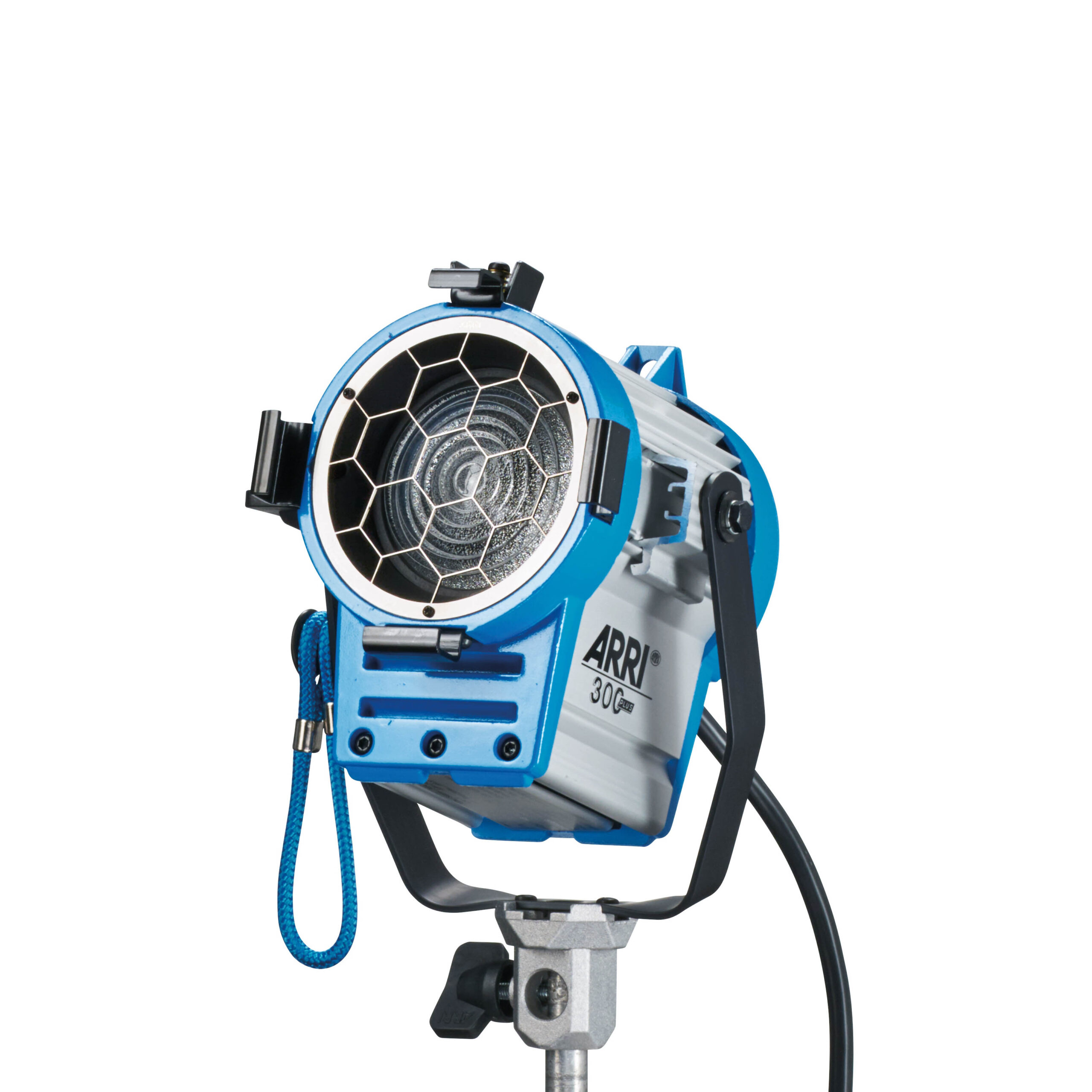
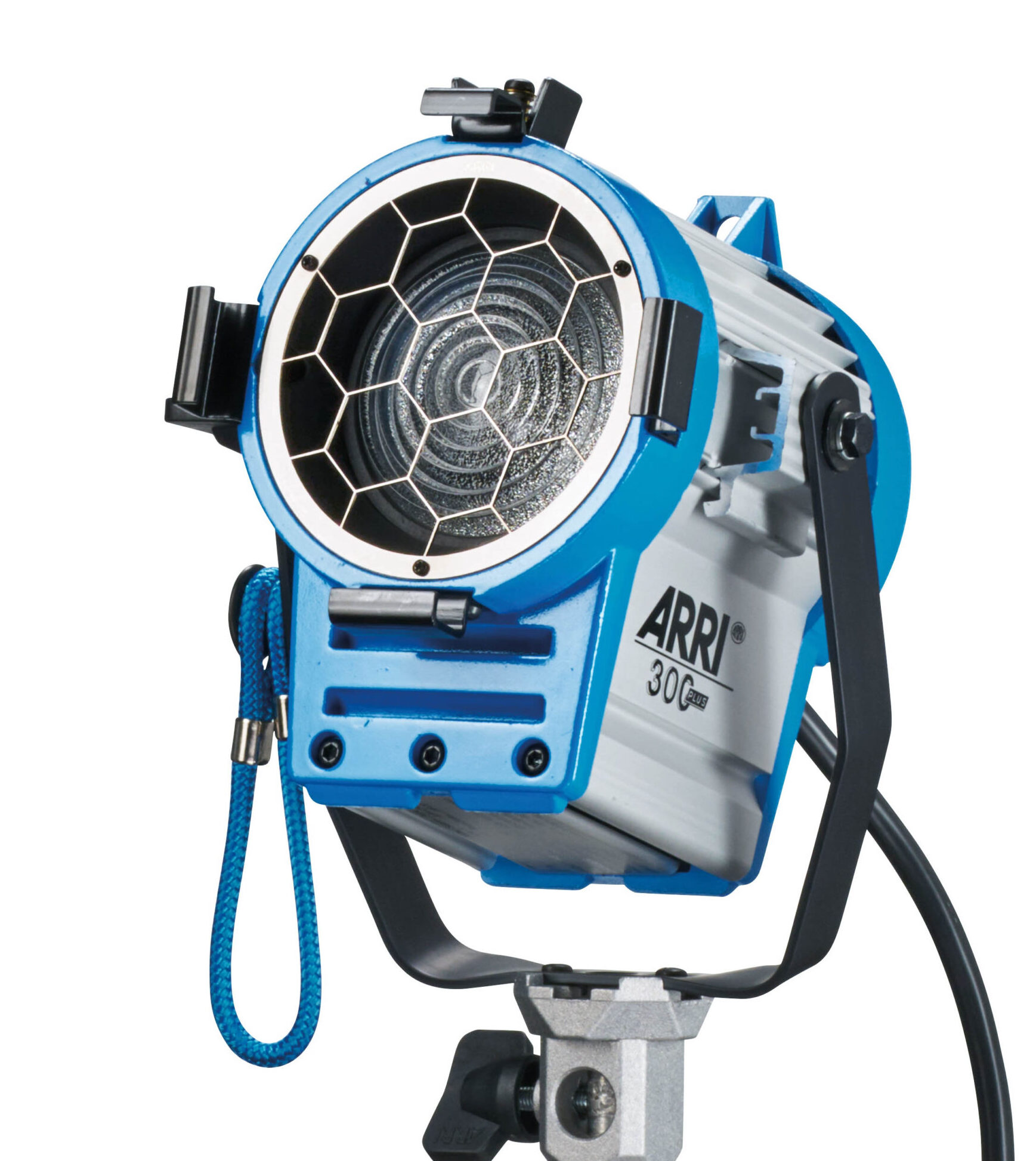
A tungsten light is a traditional electric lighting fixture that produces light by heating a tungsten filament until it glows. In film and video production, tungsten lights were the industry standard for decades and are still used today for their predictable color, smooth dimming, and natural light quality.
Tungsten fixtures emit a warm color temperature and are prized for how they render skin tones and practical interiors.
How Tungsten Lights Work
Tungsten lights use an incandescent filament enclosed in a glass bulb filled with inert gas. When electricity passes through the filament, it heats up and emits light.
As the filament heats, it produces a continuous spectrum of light rather than discrete LED wavelengths. This is why tungsten sources have exceptionally smooth color rendering and natural falloff.
The tradeoff is heat and power consumption.
Color Temperature of Tungsten Lights
Tungsten lights operate at approximately 3200K, which is considered “warm” compared to daylight-balanced sources.
When dimmed, tungsten lights shift even warmer in color. This color shift is often used creatively rather than corrected, especially for interior night scenes and motivated practical lighting.
This behavior is impossible to replicate perfectly with LED.
What Tungsten Lights Are Used For
Tungsten lights are commonly used for interior scenes, motivated practical lighting, theatrical setups, studio work, and any situation where consistent color and smooth dimming matter.
They are also frequently used as practicals within the frame, such as lamps, sconces, or fixtures visible on camera.
Tungsten vs LED Lighting
Tungsten lights produce heat-based light with a continuous spectrum and extremely natural color rendition.
LED lights produce light electronically with far greater efficiency and lower heat, but rely on spectral tuning to approximate tungsten color.
LEDs have replaced tungsten on many sets for practical reasons, but tungsten remains a reference standard for color quality.
Typical Types of Tungsten Fixtures
Common tungsten fixtures include open-face lights, Fresnels, softlights, and practical bulbs. These fixtures are simple, durable, and compatible with basic dimming systems.
They are also heavy, hot, and power-hungry by modern standards.
Pros and Cons of Tungsten Lights
Advantages include excellent color rendering, smooth dimming behavior, predictable output, and decades of established lighting techniques built around them.
Disadvantages include extreme heat, high power draw, fragile bulbs, frequent lamp replacements, and limited portability.
Tungsten lights reward discipline but punish carelessness.
Common Beginner Mistakes
Common mistakes include underestimating heat output, placing tungsten lights too close to flammable materials, overloading household circuits, and ignoring the color shift when dimming.
Tungsten demands respect on set.
When You Shouldn’t Use Tungsten Lights
Tungsten lights are not ideal for small rooms without ventilation, battery-powered setups, exterior daytime work, or energy-restricted locations.
In those cases, LED or fluorescent sources are far more practical.
Final Take
A tungsten light is the foundation modern film lighting was built on. Even as LEDs dominate contemporary sets, tungsten remains unmatched in color behavior and dimming quality.
Tungsten is not obsolete. It is specific.
Understanding tungsten makes you better with every other light source.