
Last Updated 3 hours ago
Overview
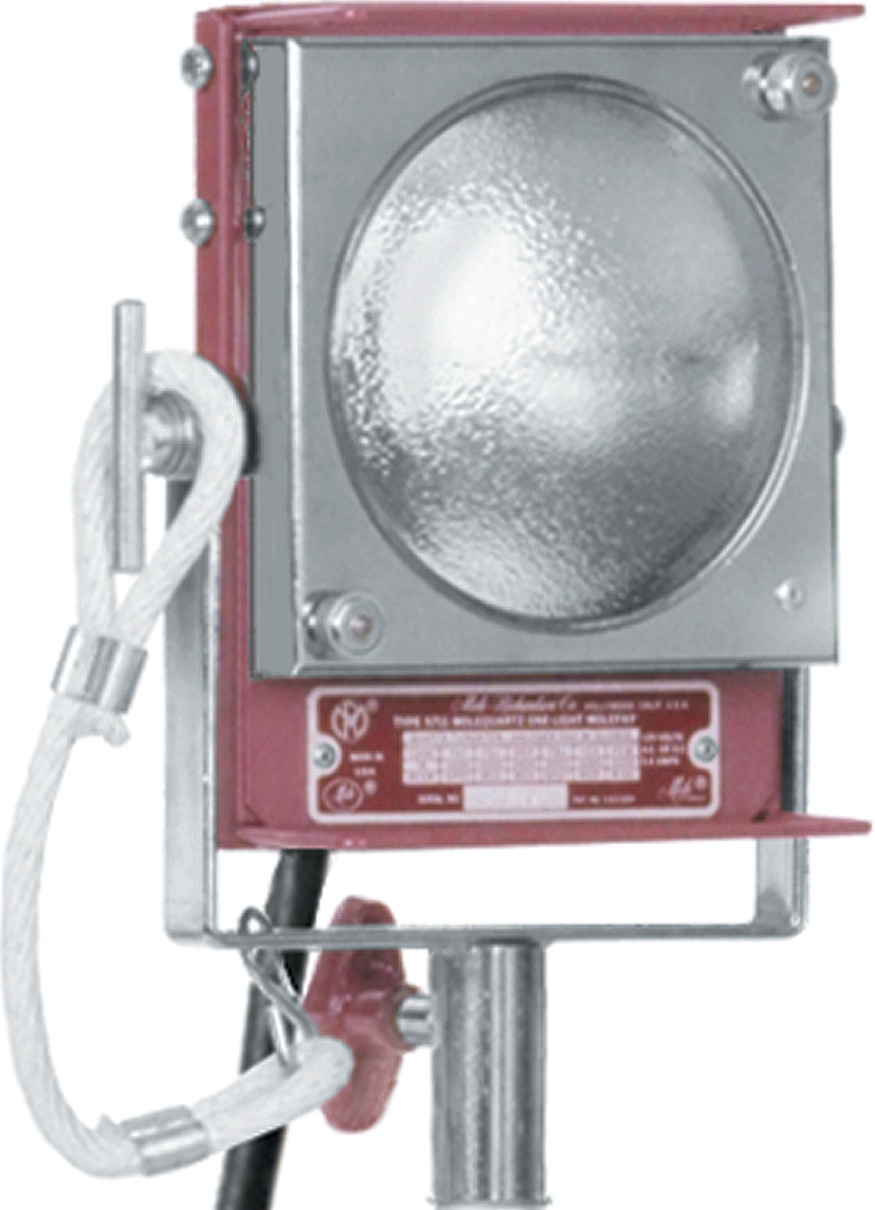
The One-Light Molefay is a 650 W PAR36 small enough to tuck beside a car window. The sealed-beam globe determines the colour and spread. At 10 ft the FAY daylight spot gives 340 fc over 4.5 × 3.5 ft, while the 3,200 K FCW wide gives 100 fc over 9.8 × 8.5 ft.
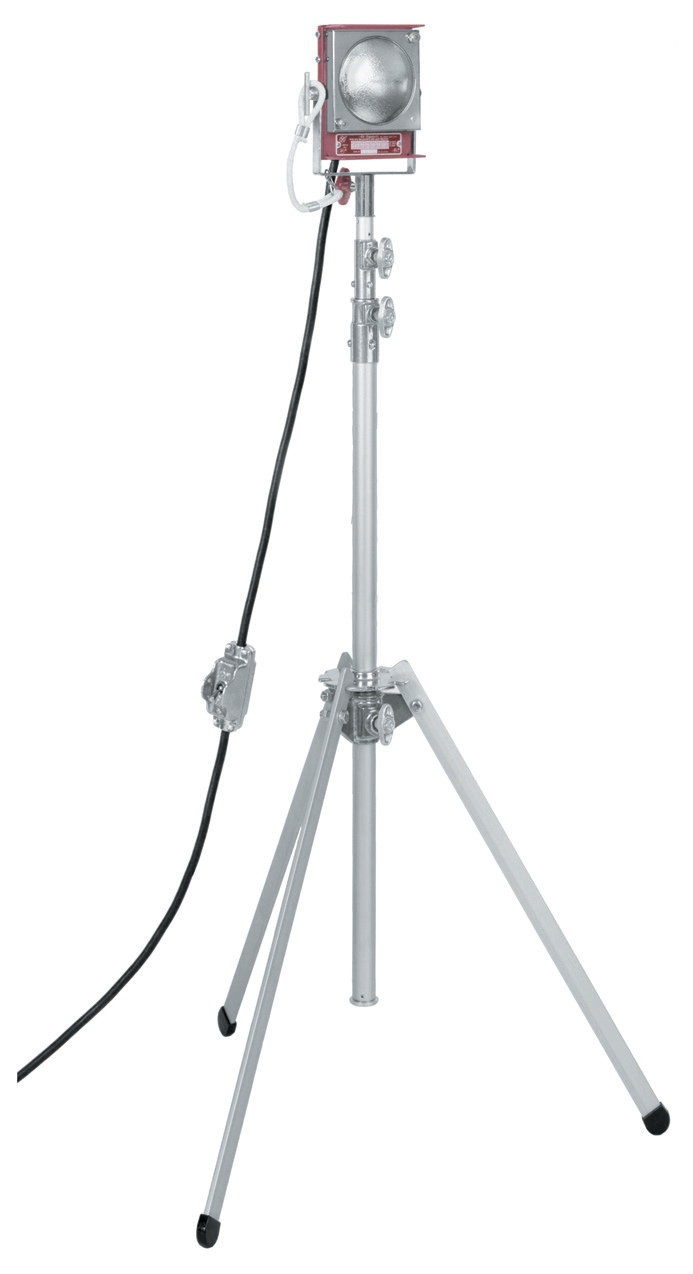
Key specifications
| Specification | Details |
|---|---|
| Head rating | 650 W maximum |
| Supply and full-load current | 120 V AC or DC, 5.4 A maximum |
| Lamp contacts | Spring-loaded ferrule contacts |
| Switches | One inline switch |
| Mount | ⅝ in. baby receiver |
| Body dimensions | 6⅛ × 4⅞ × 3¼ in. |
| Weight | 4 lb with cable |
Replacement lamps
| PAR36 lamp | Rated power and voltage | Colour and beam | Rated life |
|---|---|---|---|
| FAY | 650 W, 120 V | Dichroic daylight spot | 30 h |
| FCX | 650 W, 120 V | 3,200 K medium | 100 h |
| FCW | 650 W, 120 V | 3,200 K wide | 100 h |
Look up the individual lamp codes for FAY, FCX, FCW.
Strengths and limitations
- A single emitter casts one hard shadow. The shallow body fits places where the depth of a long PAR can is a problem.
- The head has no spot-to-flood mechanism. A wider beam or a change from daylight to tungsten calls for a different globe.
Practical uses
For a dashboard insert, the daylight FAY can lift a face through the windshield. Check the reflection in the glass from camera position before setting the stand. If the patch needs to cover both seats, compare the beam width of the FCW and account for the change to tungsten colour.
Output and photometrics
Centre-beam output in foot-candles with 650 W, 120 V lamps. Each row represents a different globe. In the original chart, the field boundary is where the intensity falls to roughly half the centre reading.
| Lamp and beam setting | 5 ft | 10 ft | 15 ft | 20 ft | 25 ft | 30 ft |
|---|---|---|---|---|---|---|
| FAY daylight spot | 1,300 | 340 | 150 | 85 | 55 | 40 |
| FCX tungsten medium | 1,040 | 260 | 115 | 65 | 40 | 30 |
| FCW tungsten wide | 420 | 100 | 45 | 25 | 15 | 10 |
Original manufacturer chart with beam width and height.
Photometric & exposure calculator
Estimate centre-beam illumination and the corresponding camera aperture from this fixture’s published measurements.
Estimated output
Select a configuration to calculate.
Manufacturer readings are for the stated optic, colour setting and full output, measured at the beam centre. Values between measured distances are interpolated. Point-source values outside those distances are approximate inverse-square estimates; large sources cannot be reliably extrapolated and are limited to their measured range. Exposure uses frame rate, shutter angle, ISO and the selected incident-meter calibration. Only the optics and diffusion explicitly listed in the measurement are included; additional modifiers, bounce, beam edges, ambient light, ND filters and camera exposure-index differences are not accounted for. Confirm critical exposures on set with a meter. Photometric source
Power and controls
The 120 V head accepts AC or DC. Mole specifies a 25 ft lead with a switch on the cord. The original order sheet leaves the plug type to the buyer.
Optics and mounting
Type 5715 light shields and diffuser holder, Type 5714 frame. Each lamp has its own Type 55416 retainer. The yoke mounts on a ⅝ in. baby spud.
Comparable fixture
A different single-lamp option, the 2271 accepts larger PAR64 globes and an optional intensifier. One-Light Molepar (Type 2271).
Field coverage and further reading
The original rental package included the two-way shield and diffuser frame. A bare head offered for sale may be missing both pieces. Mole-Richardson rental catalogue, Fays.
Rental and used-fixture checks
Ask for the code stamped on the lamp. Inspect the individual retainer and confirm that the ⅝ in. yoke receiver tightens on the intended stand.