
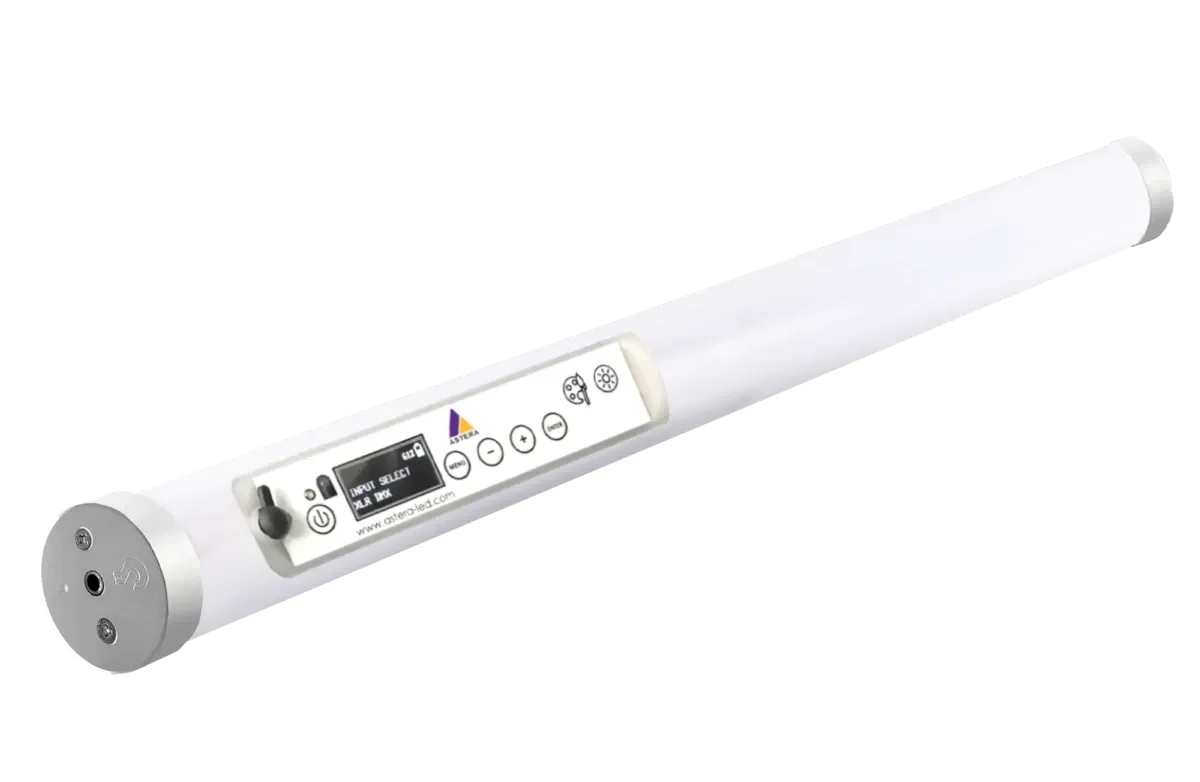
LED tube lights are linear lighting fixtures designed to produce soft illumination for film, television, and video production. Their elongated shape makes them especially useful as practical lights, wraparound sources, and set-integrated fixtures.
⮞Go to Lighting Categories
⮞Browse Lighting by Brands
⮞Browse All Equipment
All LED Tube Lights
SmallRig RT25
SmallRig RT25 RGBWW tube. Compare grip and tube-only kits, rated power, handling weight, IP65 and published 5,600 K output.
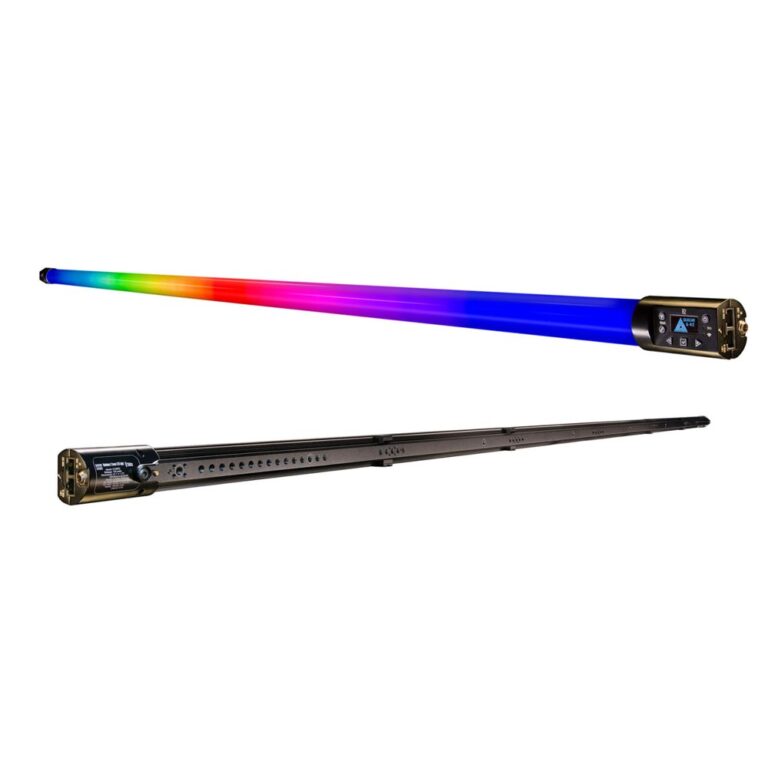
Quasar Science Rainbow 2 Q100R2
Quasar Rainbow 2 Q100R2 specs, 48-pixel control and an Output Calculator for the 8-foot tube. Includes production notes from Hocus Pocus 2…
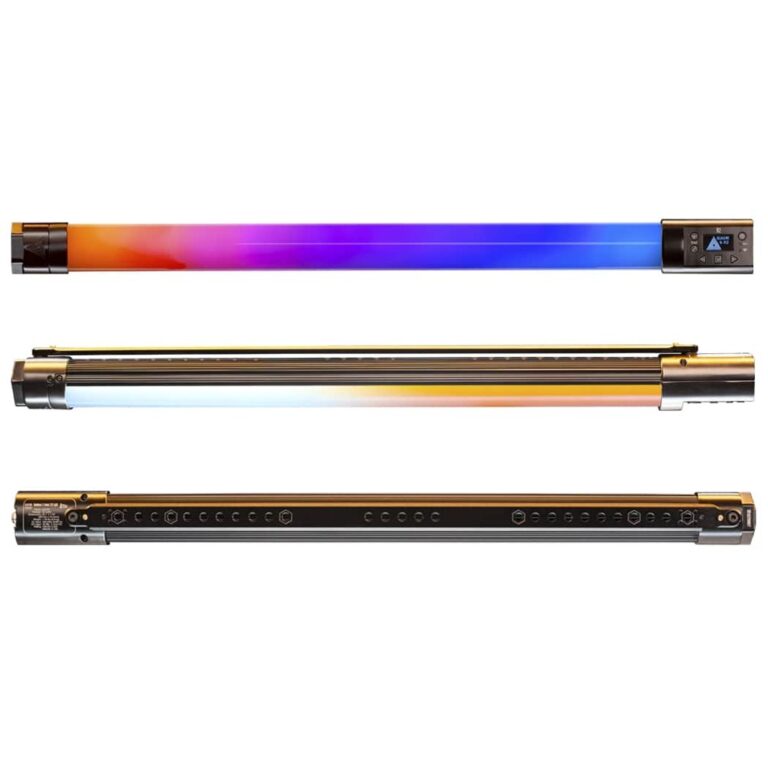
Quasar Science Rainbow 2 Q25R2
Quasar Science Rainbow 2 Q25R2: two-foot 25 W RGBX LED tube with 10 pixels, Ossium mounting and a calculator for published 3…
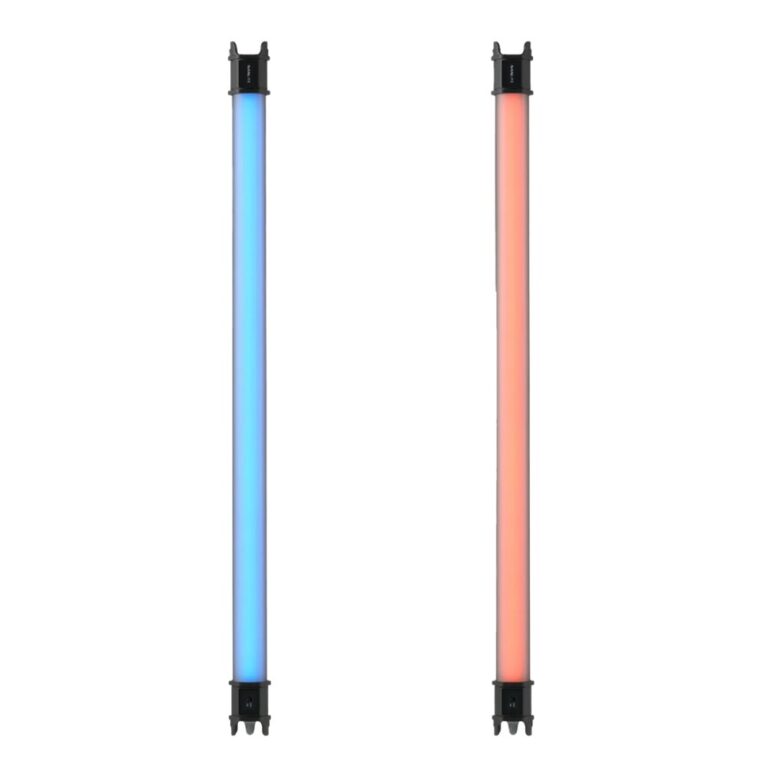
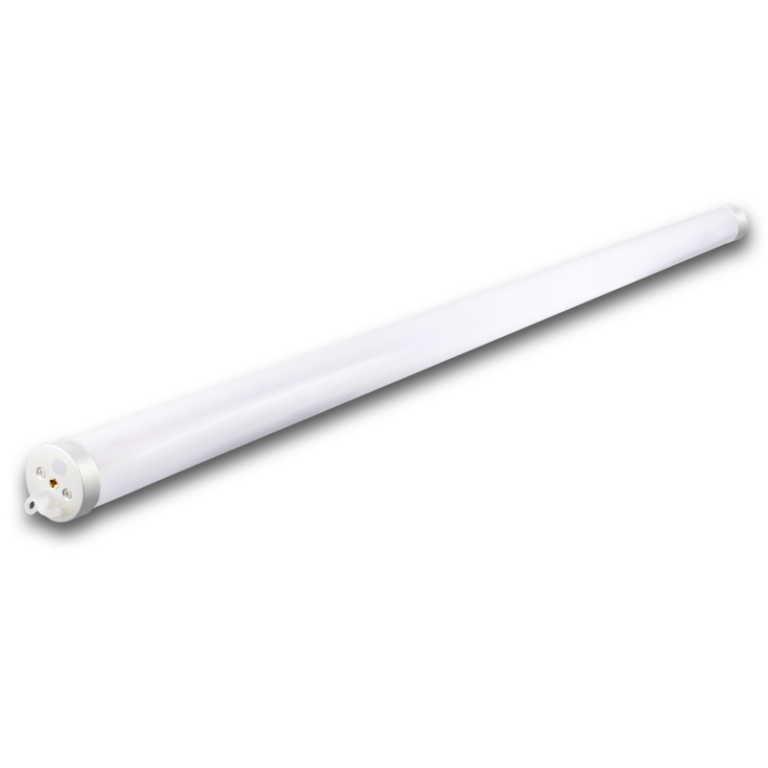
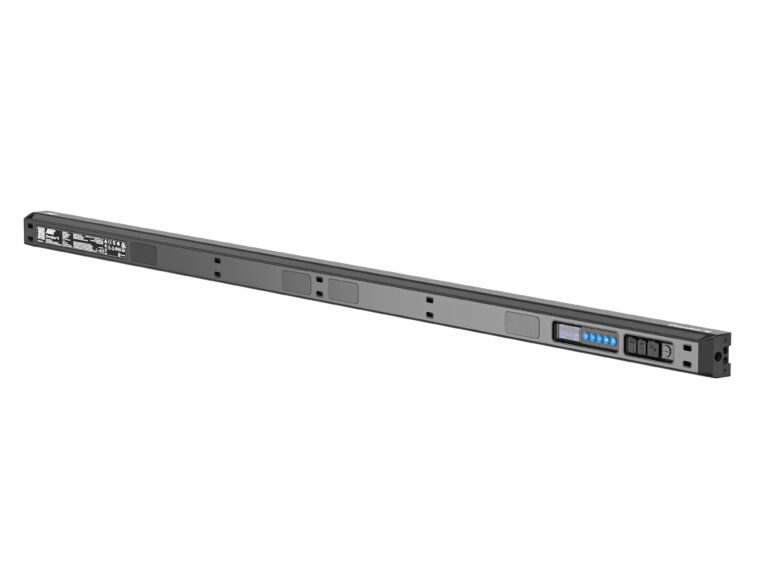
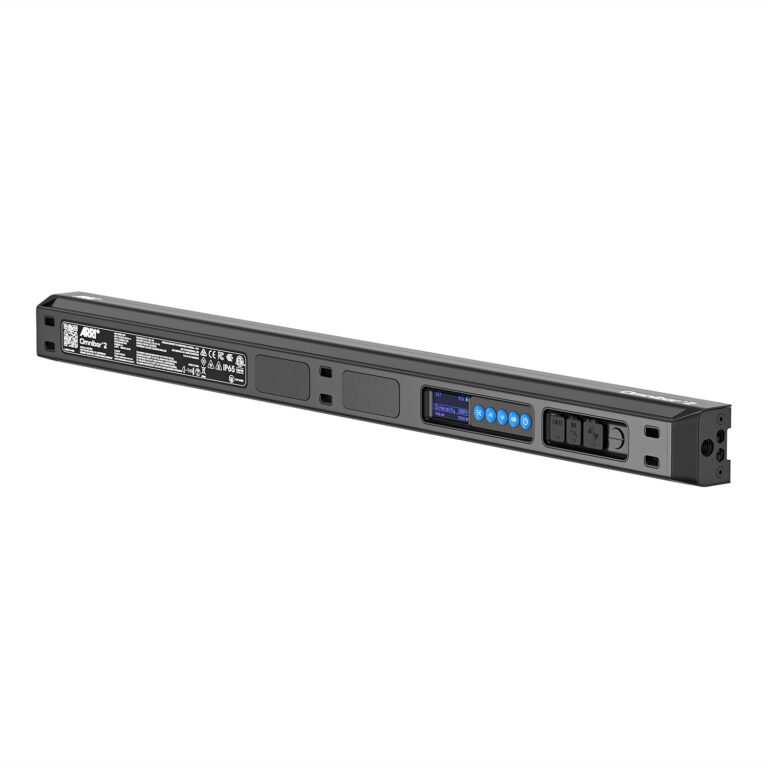
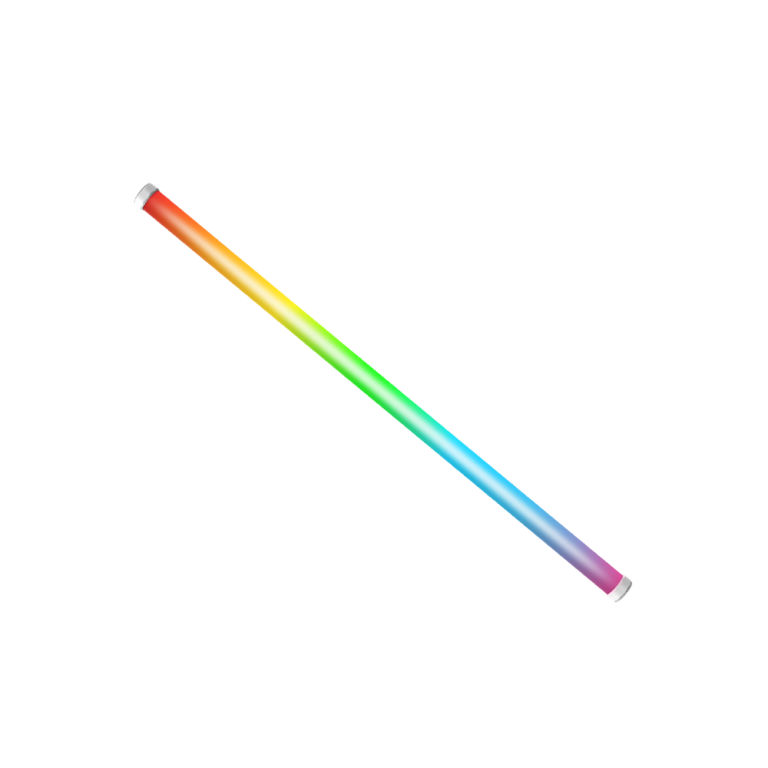
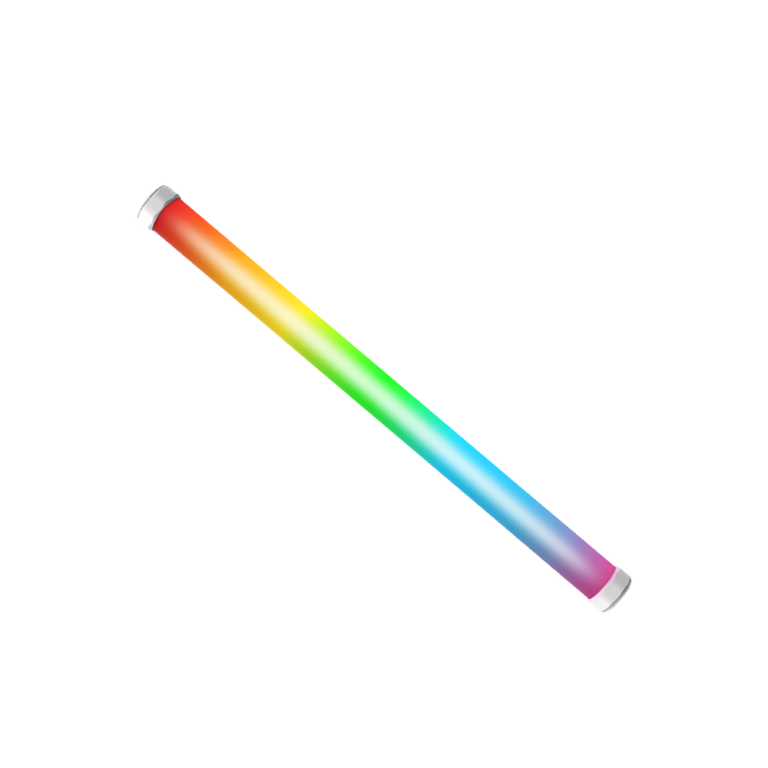
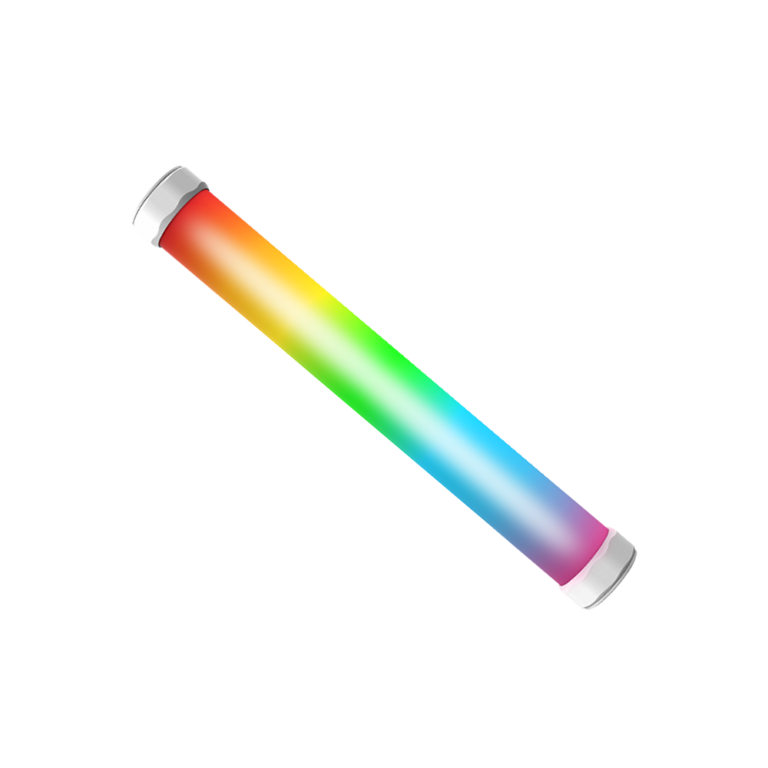
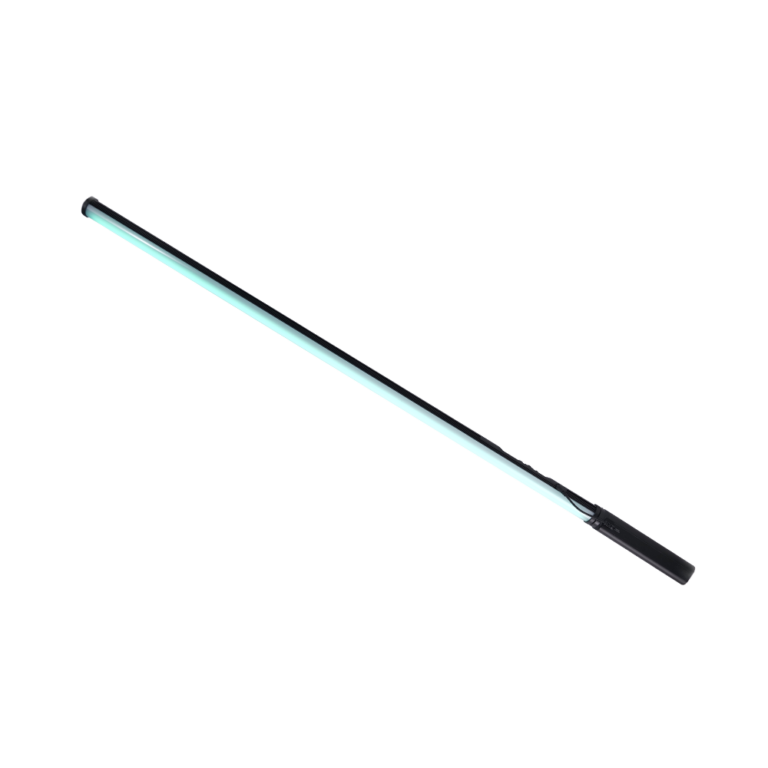
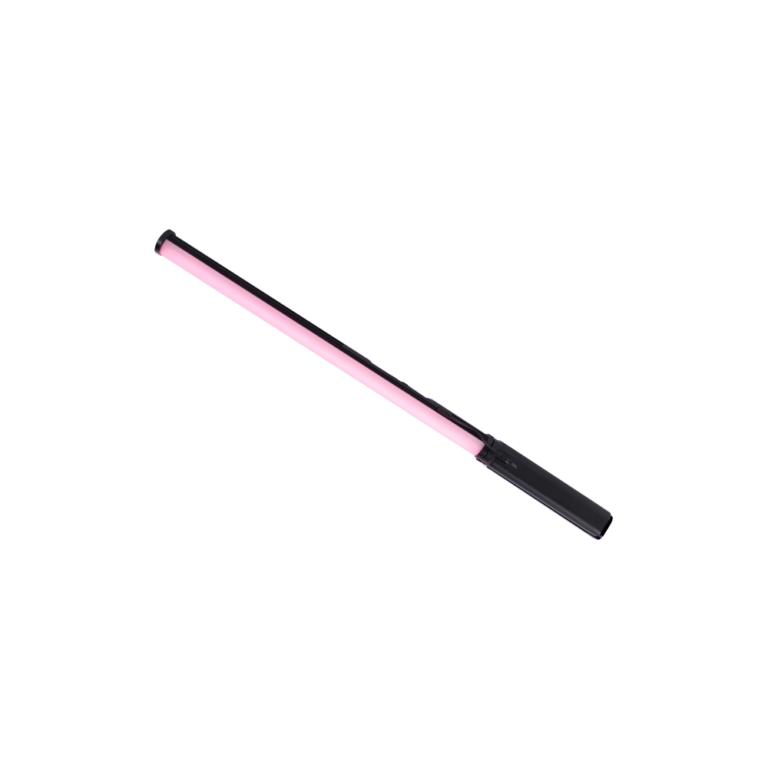
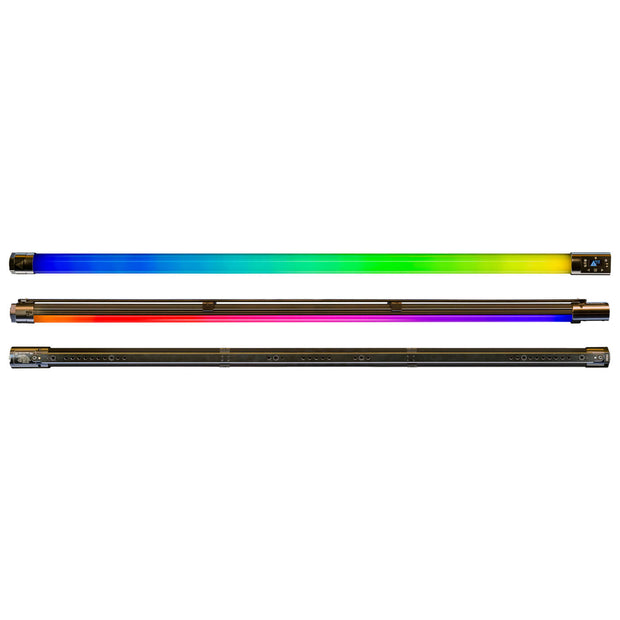
Quasar Science Rainbow 2 Q50R2
The Quasar Science Rainbow 2 Q50R2 is the nominal four-foot, single-row Rainbow 2 linear LED fixture.
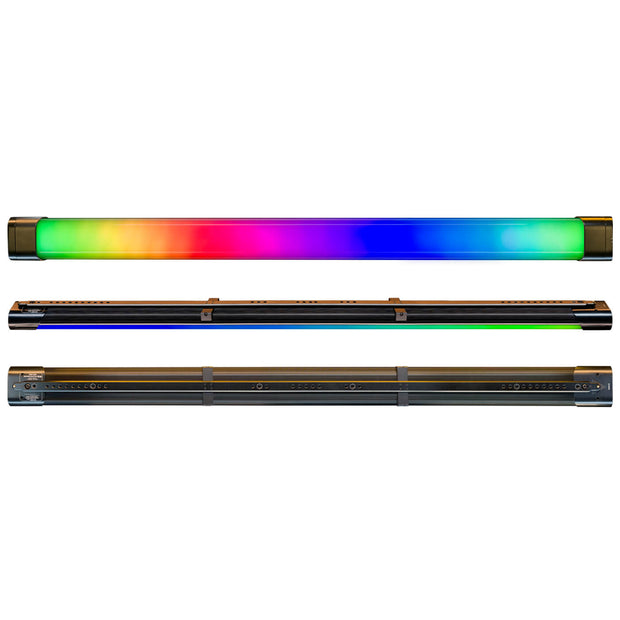
Quasar Science Double Rainbow RR100
The Quasar Science Double Rainbow RR100 is the nominal four-foot, two-row RGBX linear LED fixture.
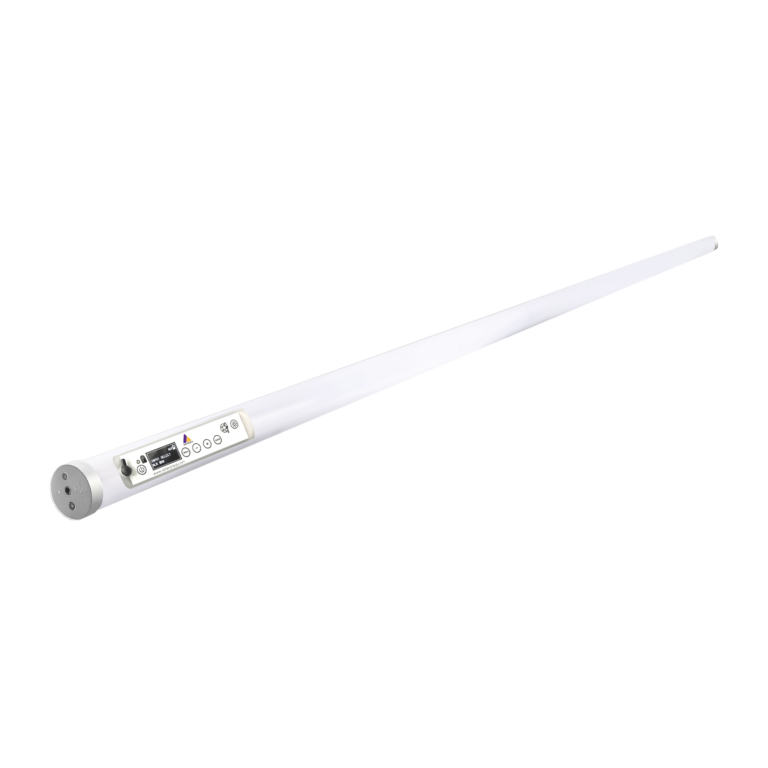
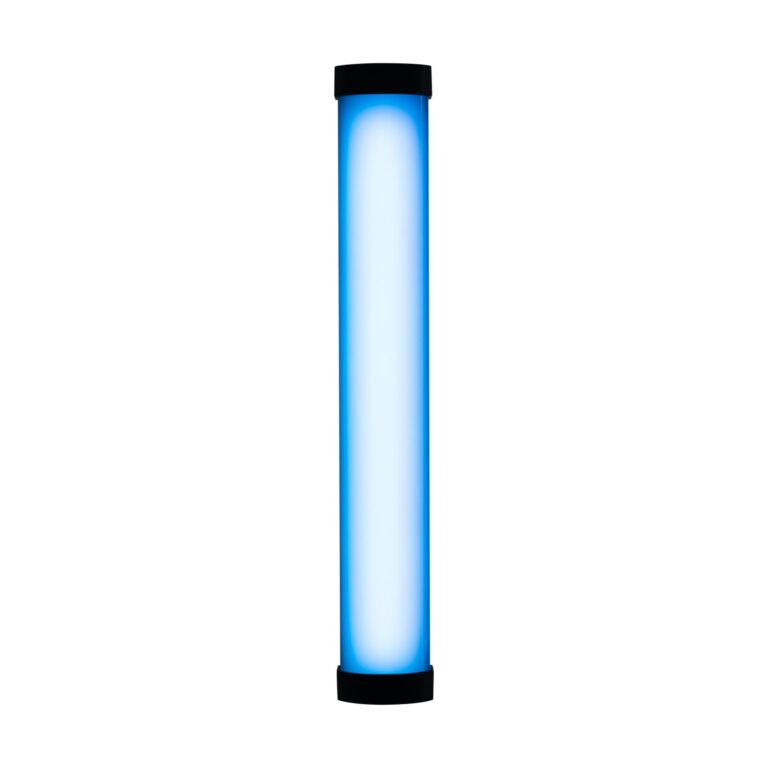
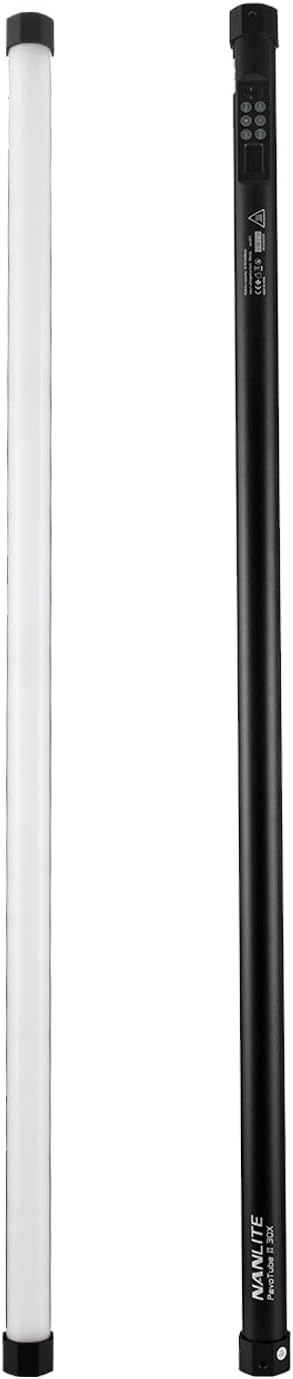
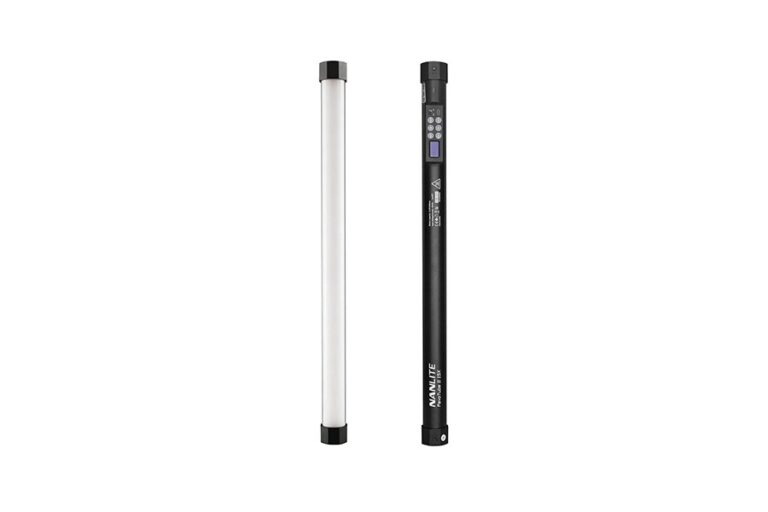
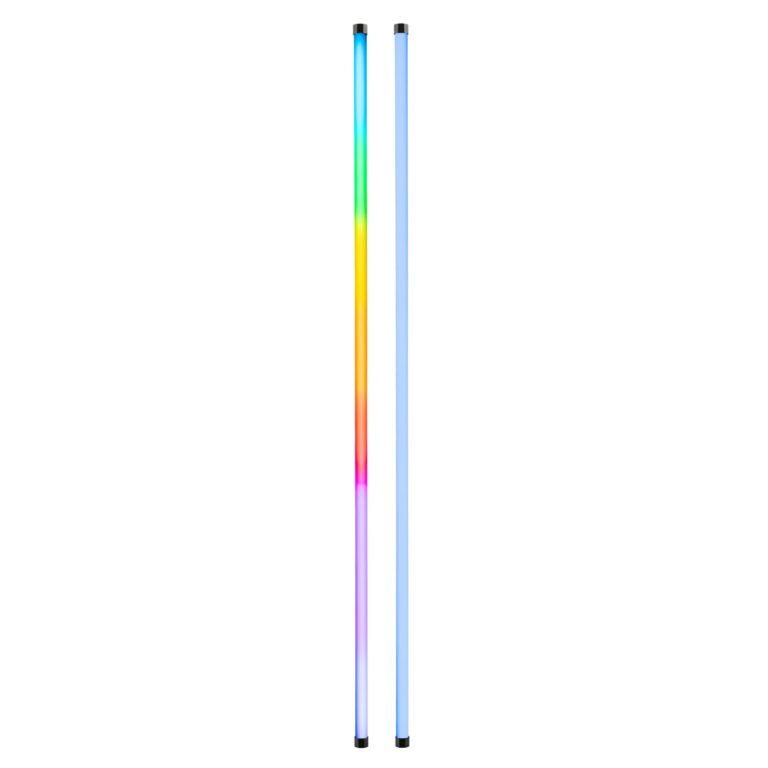

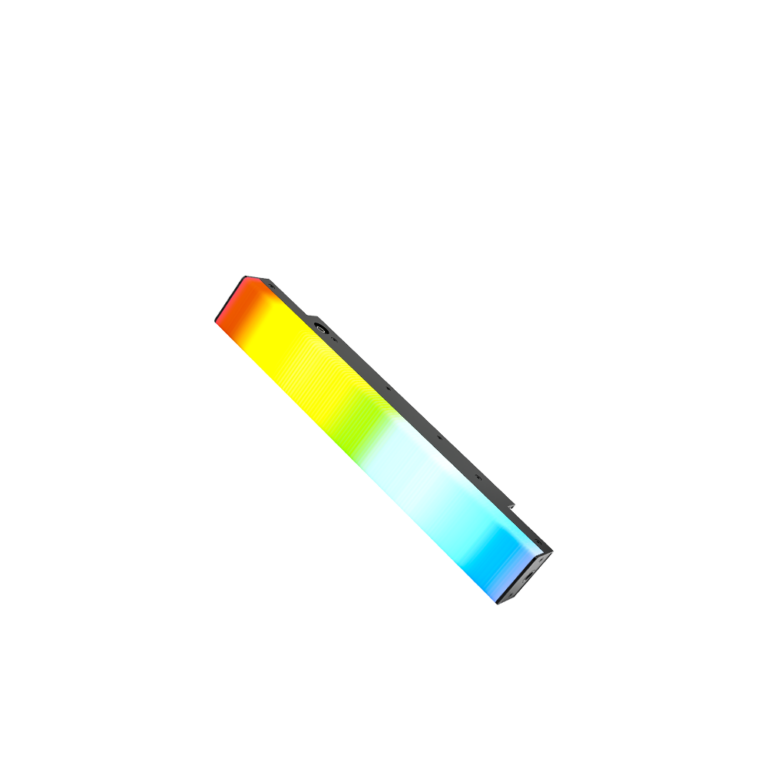
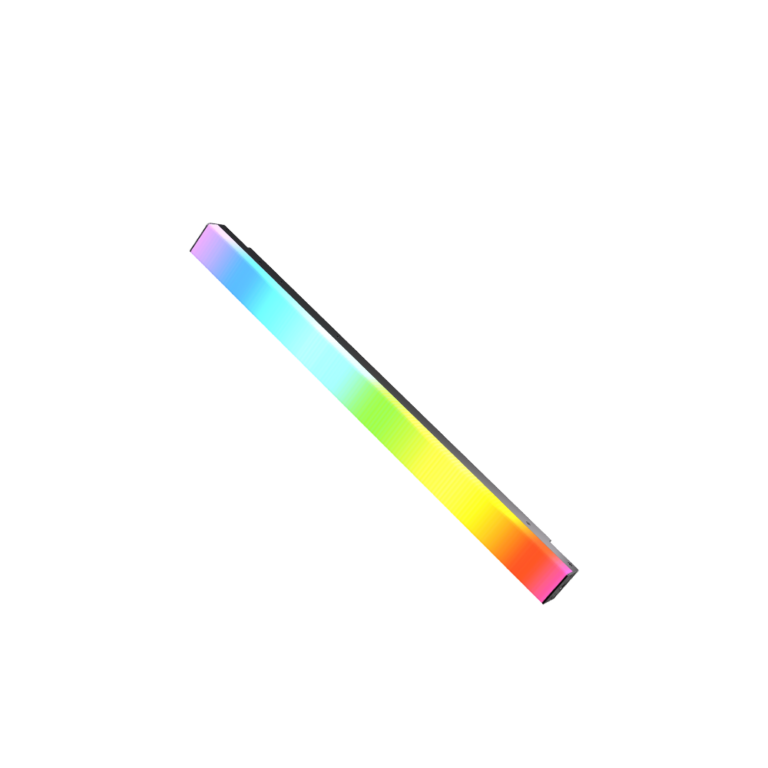
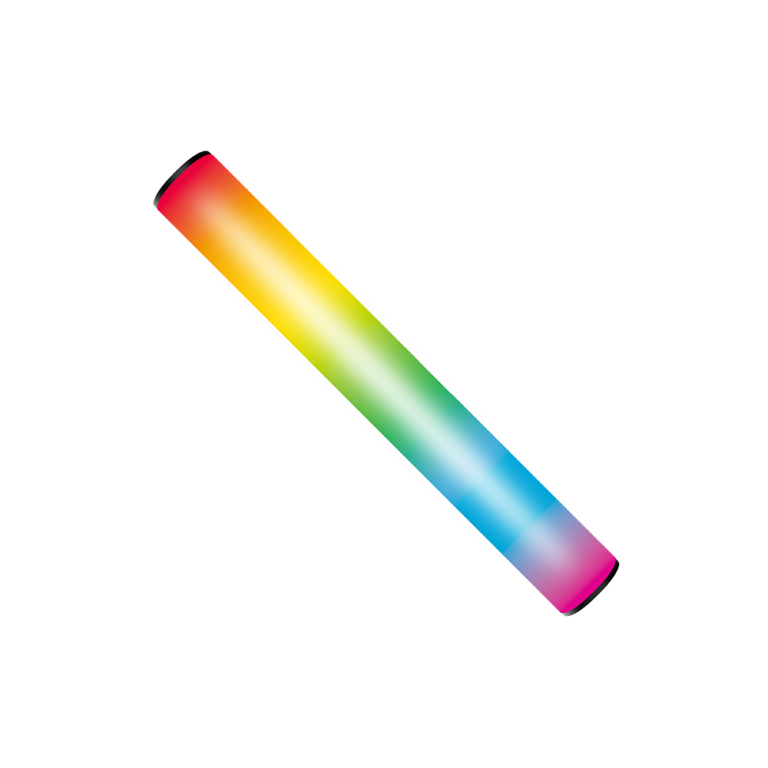
Aputure MT Pro
The Aputure MT Pro is a 30 cm RGBWW mini light bar with 36 controllable pixels, an internal battery and built-in LumenRadio…
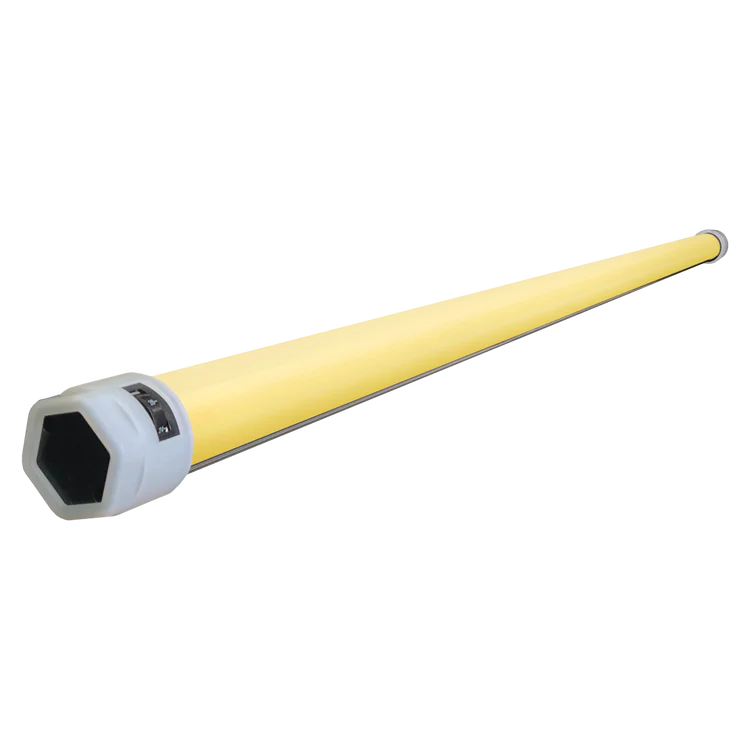
Quasar Science Crossfade Tubes
The original Quasar Science Crossfade is a mains-powered bi-colour tube family supplied in several lengths and voltage versions.
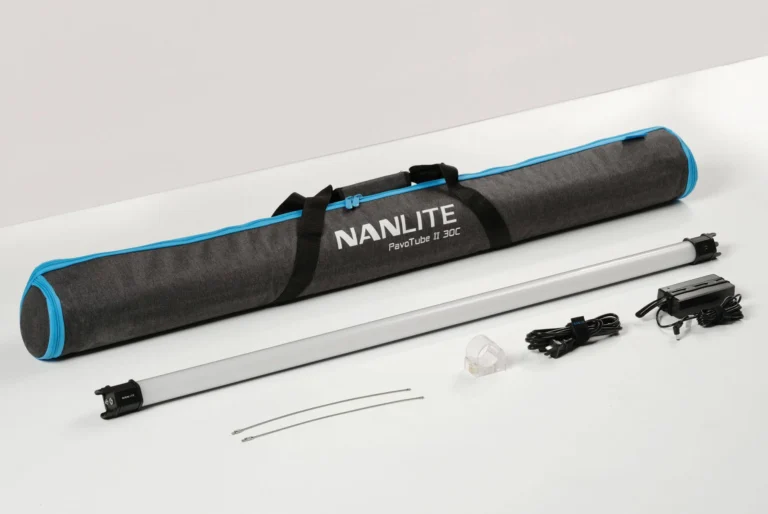
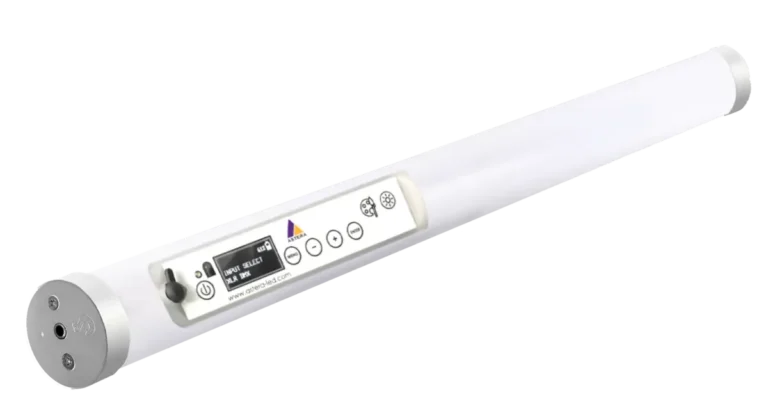
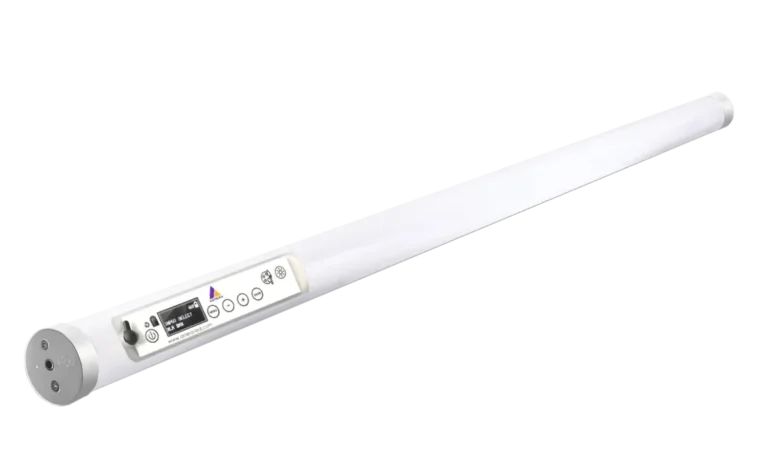
What LED Tube Lights Are Known For
Soft, wraparound light quality
Practical-friendly form factor
Battery-powered operation
Quick rigging and mounting options
Color and effects capability on RGB models
LED tubes are valued for flexibility and speed rather than raw output.
Where LED Tube Lights Are Used
Practical lighting visible in frame
Accent and edge lighting
Hidden sources in tight spaces
Interviews and close-proximity setups
Stylized and color-driven scenes
LED tubes are especially effective when placed close to subjects or integrated directly into the set.
Advantages of LED Tube Lighting
Soft, flattering light quality
Fast setup and repositioning
Minimal power requirements
Highly portable and battery-friendly
Effective as both practical and off-camera lights
Limitations of LED Tube Lighting
Lower output compared to COB and panel lights
Limited throw and beam control
Less suitable for lighting large areas
Often requires multiple units for sufficient output