
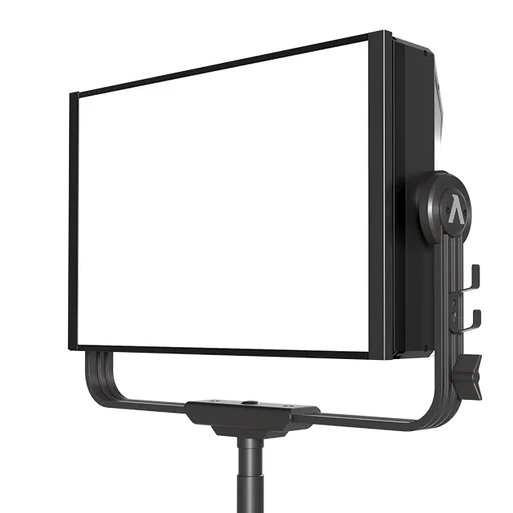
LED panel lights are flat, multi-diode lighting fixtures designed to produce broad, soft illumination for film, television, and video production. Unlike point-source lights such as LED Cobs, LED panels emit light from a wide surface area, resulting in softer shadows and more light spread.
⮞Go to Lighting Categories
⮞Browse Lighting by Brands
⮞Browse All Equipment
All LED Panel Lights
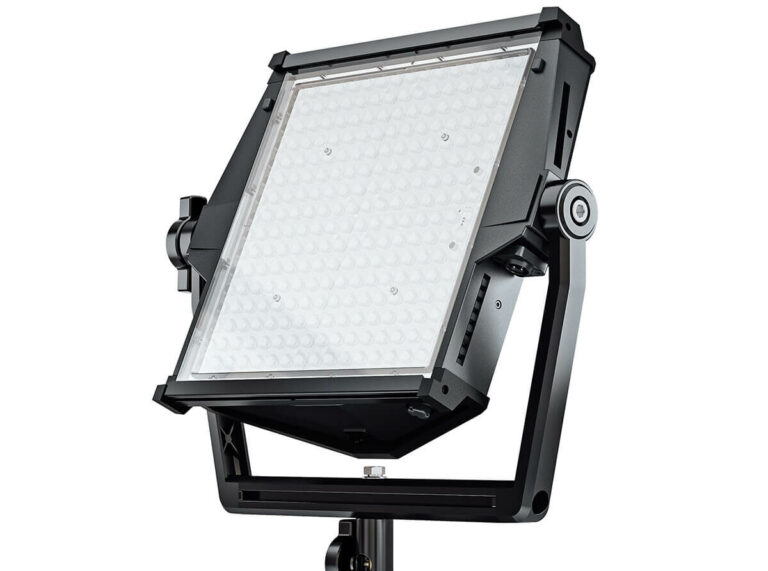
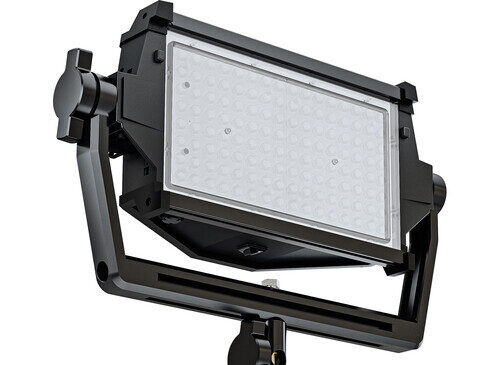
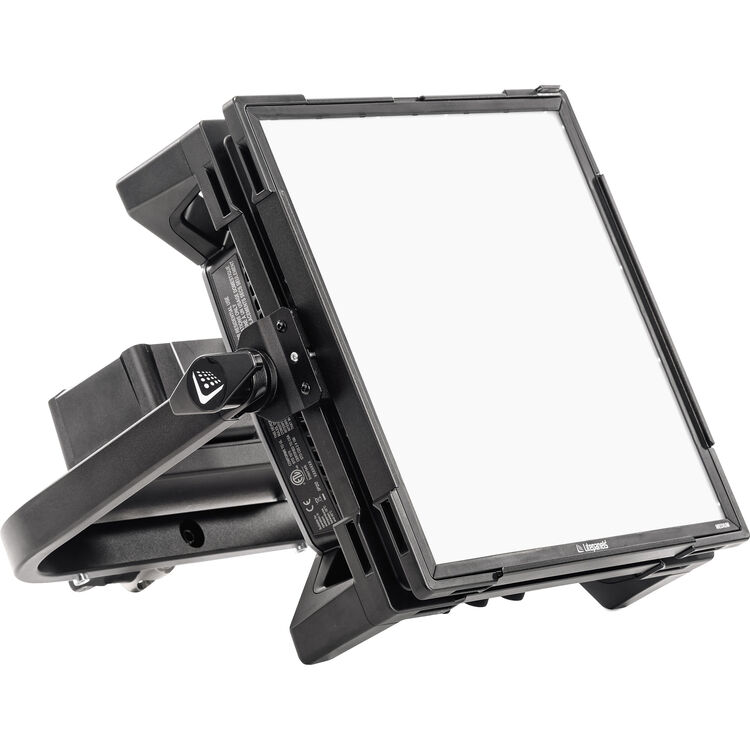
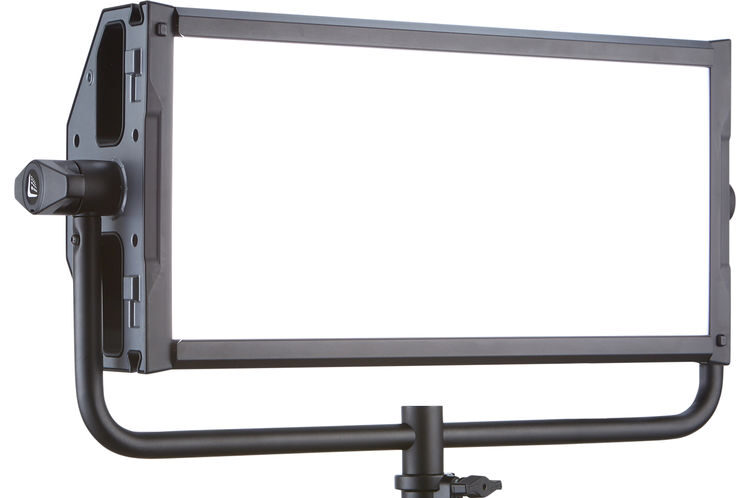
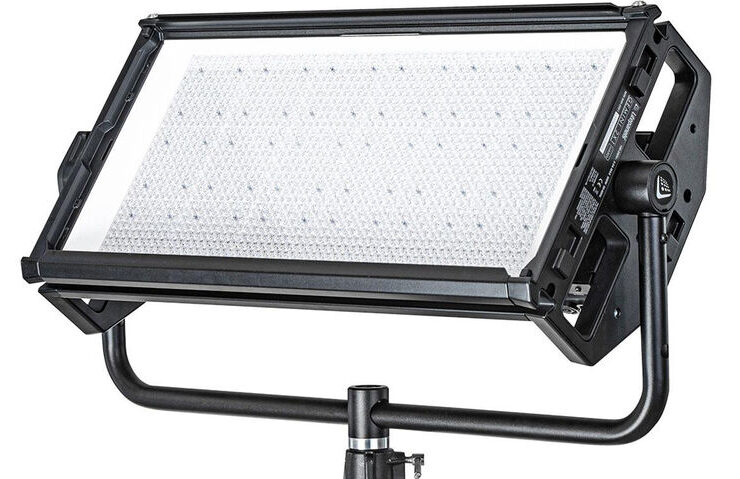
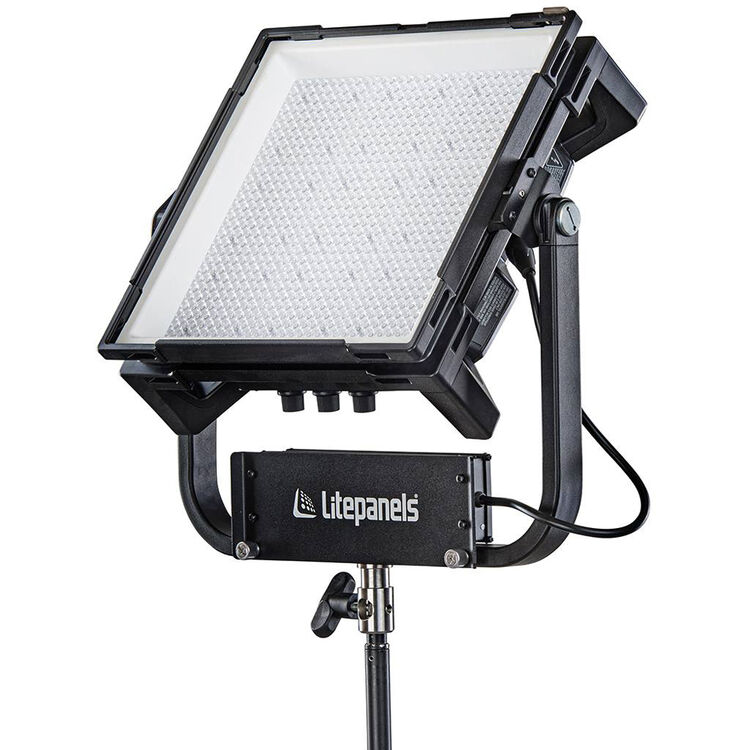
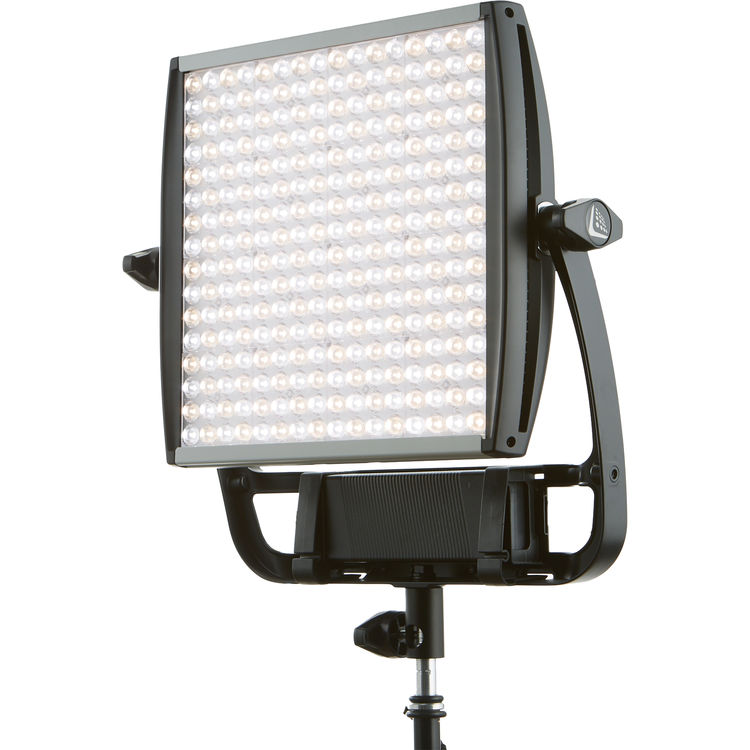
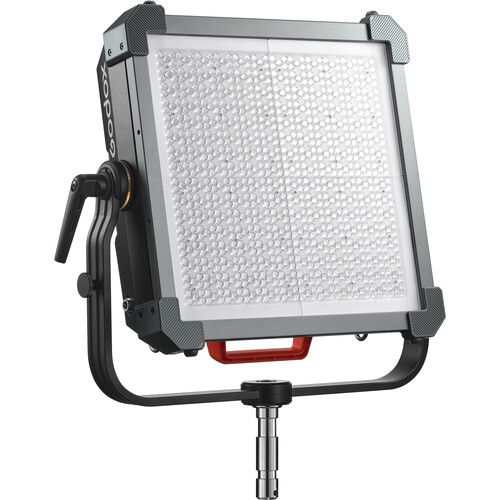
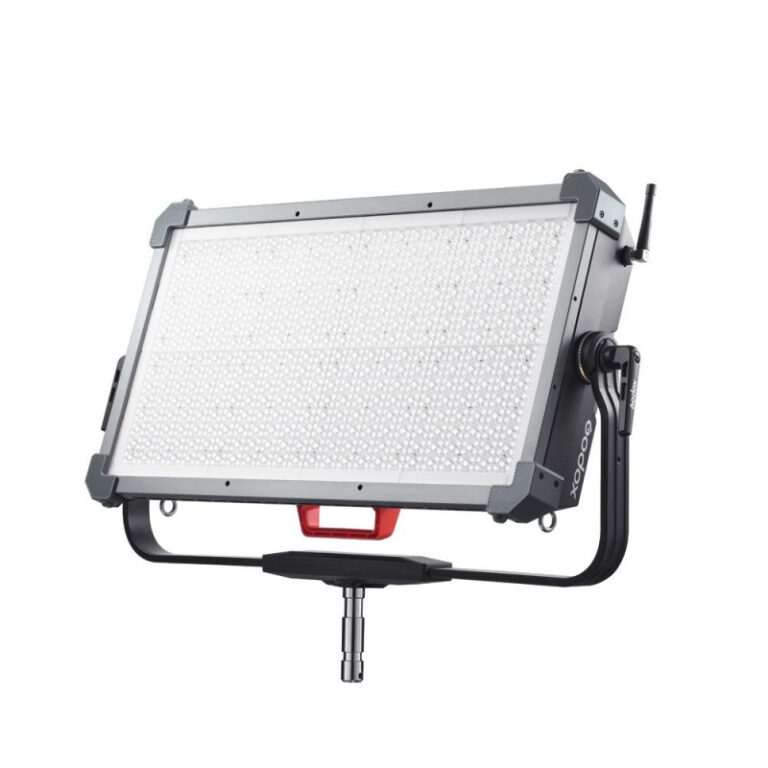
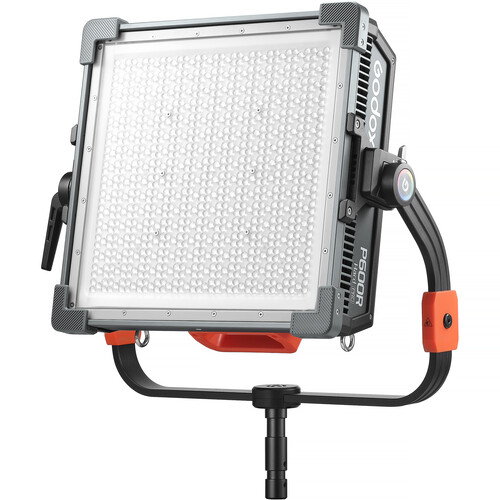
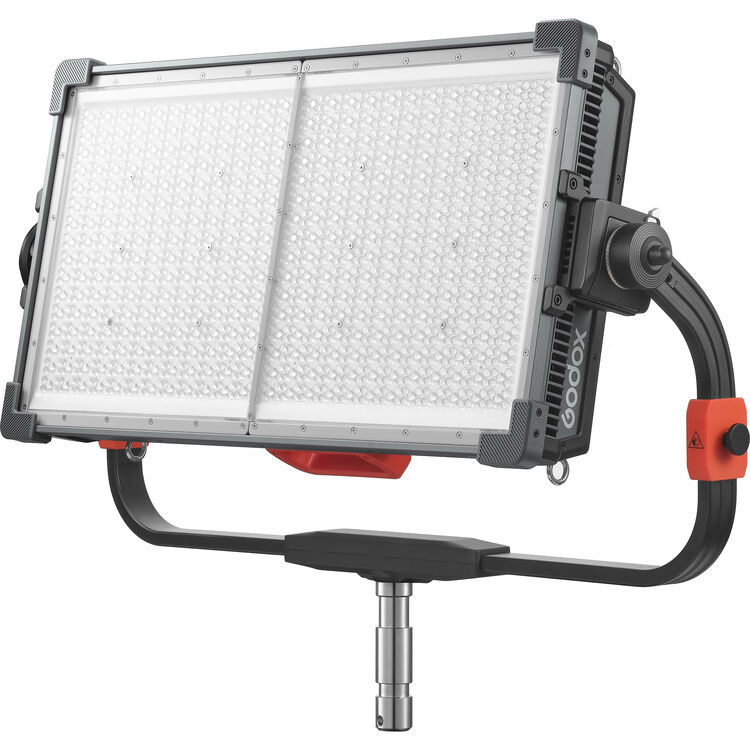
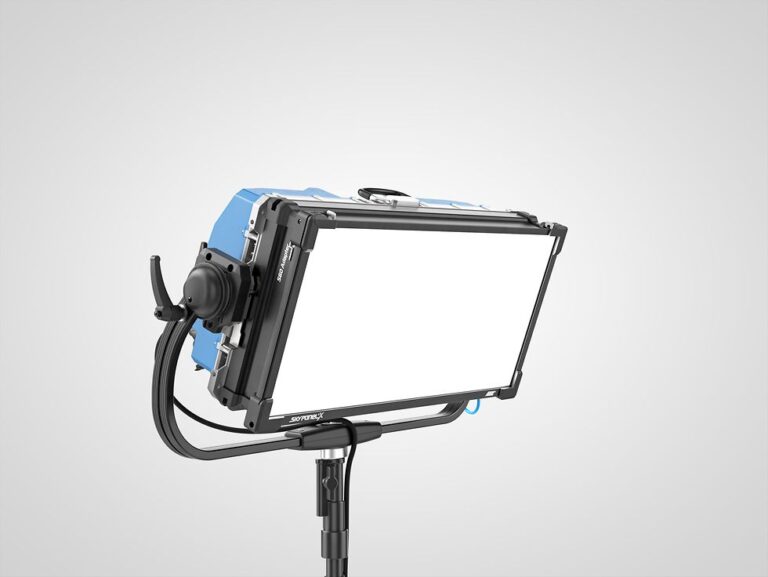
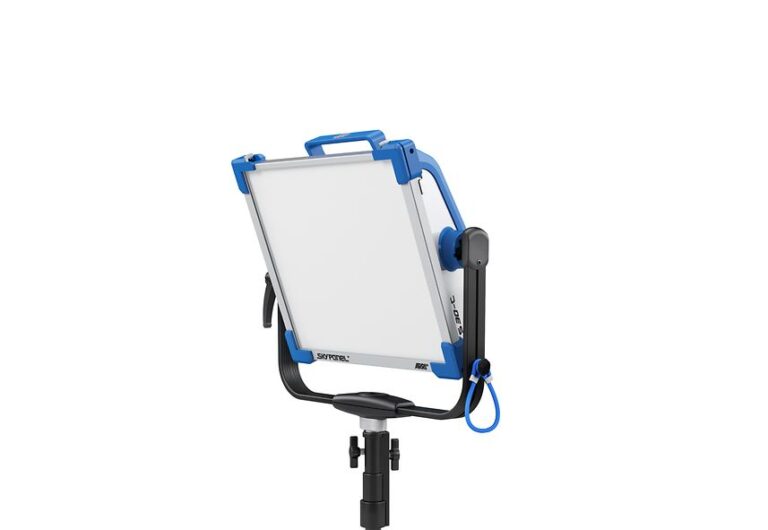
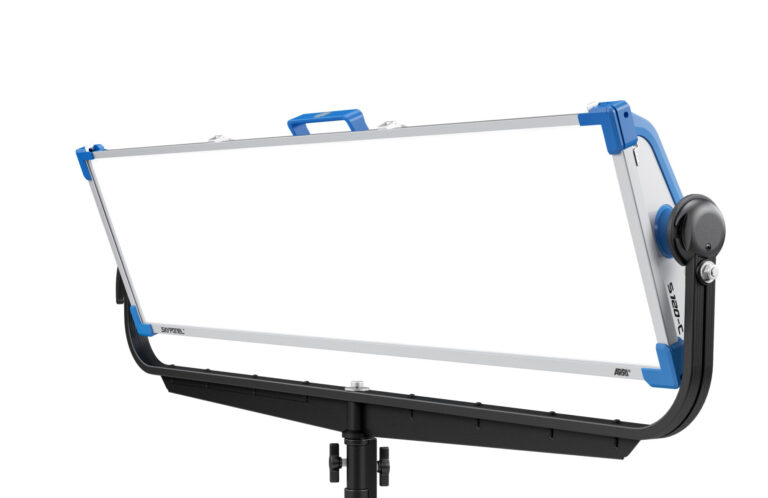
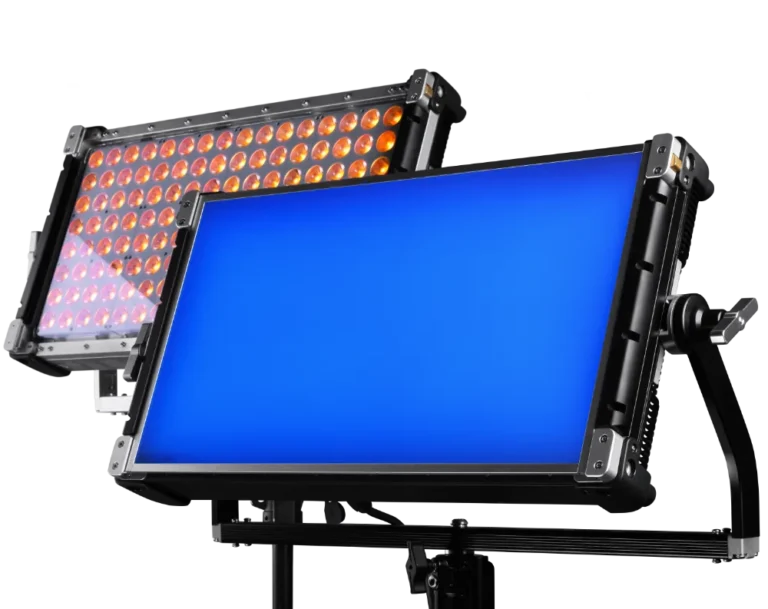
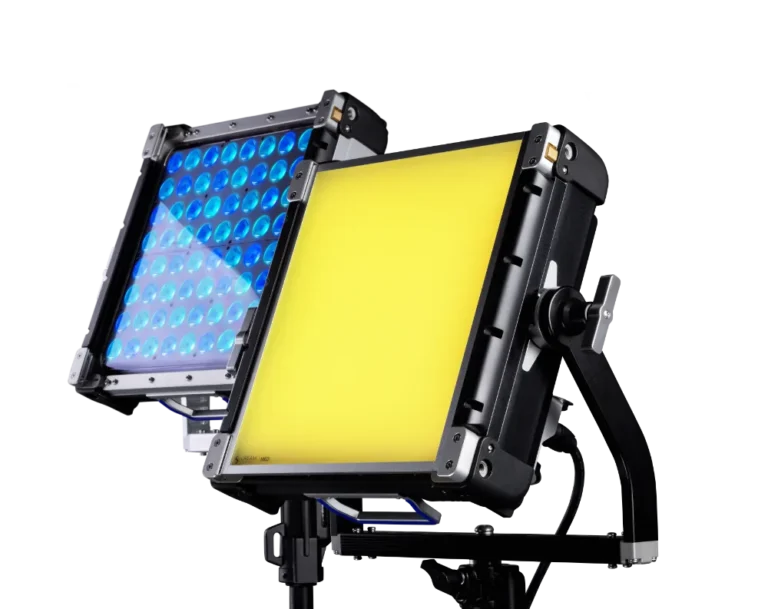
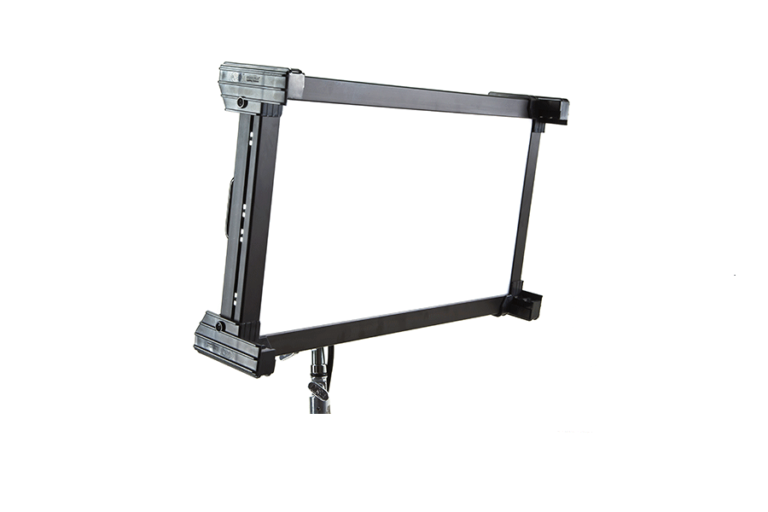
Where LED Panel Lights Are Used
Fill light and soft keys
Studio and broadcast environments
Corporate and documentary production
Controlled interior locations
LED panels are most effective in environments where space, time, and power are limited.
What LED Panel Lights Are Known For
Fast setup
Soft, even light output
Wide beam spread with minimal hotspots
Multiple diffusion panels in some brands
Lightweight, low-profile fixtures
LED panels are valued for speed and consistency rather than punch or long throw.
Advantages of LED Panel Lighting
Naturally soft light quality
Minimal setup time
Lightweight and portable
Good for small crews and owner operators
Limitations of LED Panel Lighting
Lower output compared to point-source lights
Limited beam control without additional modifiers
Less effective for long throw or exterior use
Light quality depends heavily on diffusion design
Can look flat if used without shaping
Common Types of LED Panel Lights
Daylight LED panels
Fixed color temperature panels optimized for output and simplicity.
Bi-color LED panels
Panels with adjustable color temperature for mixed-light environments.
RGB / RGBWW LED panels
Full-color panels capable of producing colored light as well as accurate white light.
High-output cinema LED panels
Larger panels designed for professional film and television use, often found in studios and rental houses.
LED Panels vs Other Light Types
Compared to LED COB lights:
Panels are softer but less punchy
COBs offer more control and throw
Compared to tube lights:
Panels provide broader coverage
Tubes are better for practicals and accents
Compared to tungsten soft lights:
Panels run cooler
Use less power
Offer more color flexibility