
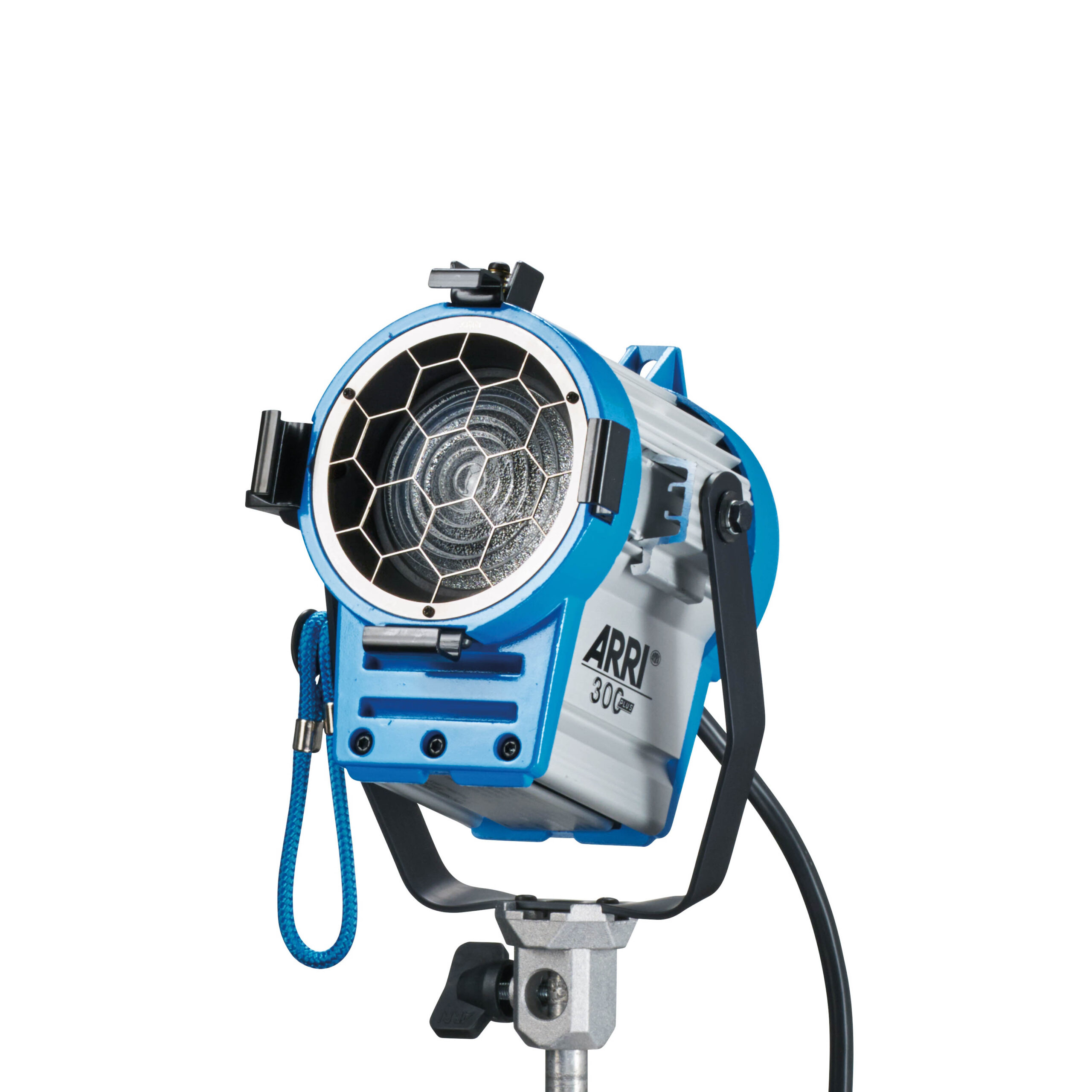
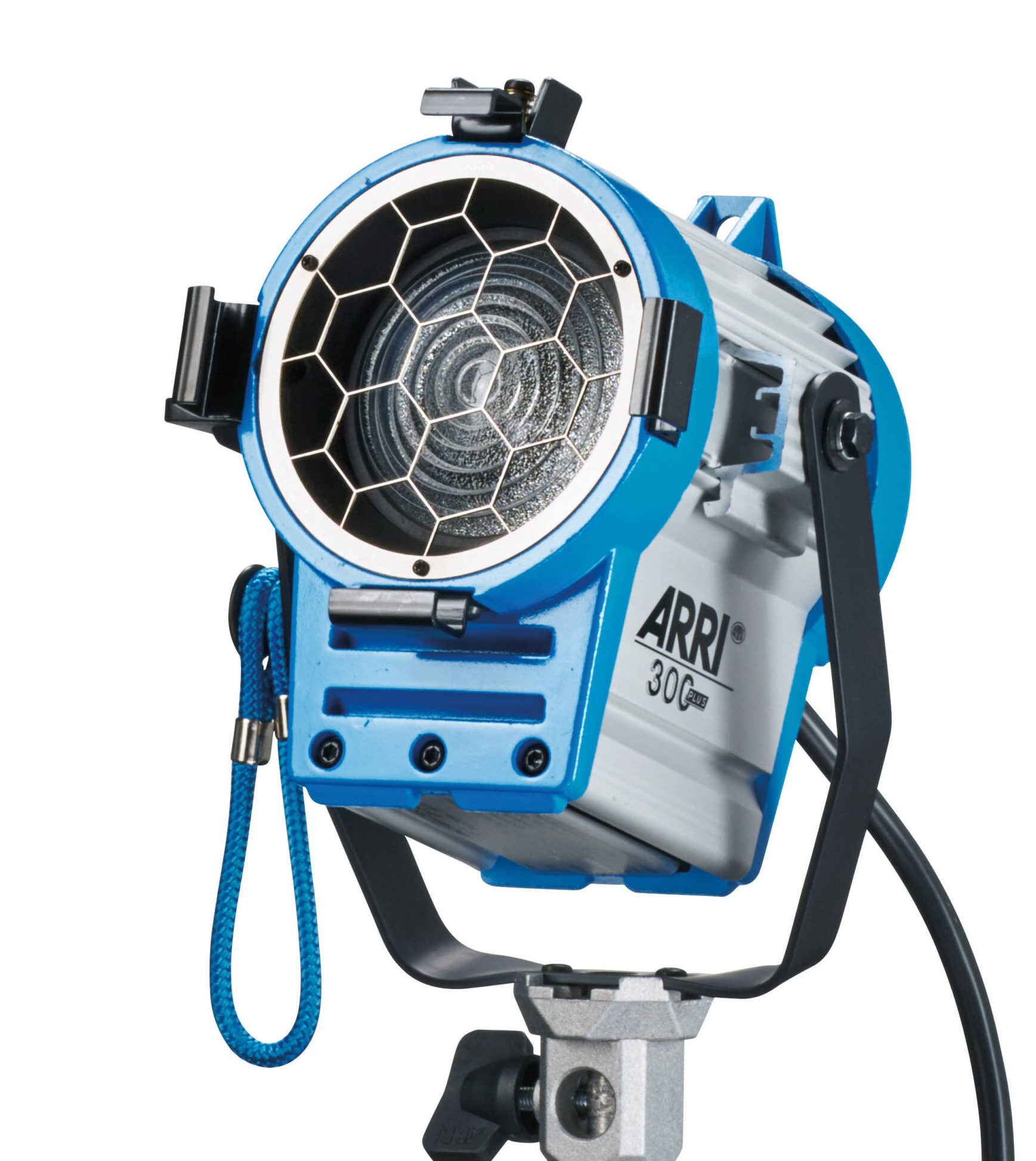
A tungsten light is a traditional electric lighting fixture that produces light by heating a tungsten filament until it glows. In film and video production, tungsten lights were the industry standard for decades and are still used today for their predictable color, smooth dimming, and natural light quality.
Tungsten fixtures emit a warm color temperature and are prized for how they render skin tones and practical interiors.
- Source: heated filament, usually tungsten-halogen in cinema fixtures.
- Colour: commonly 3200K at rated voltage; becomes warmer when dimmed.
- Plan for: heat, circuit capacity and cooling time.
How Tungsten Lights Work
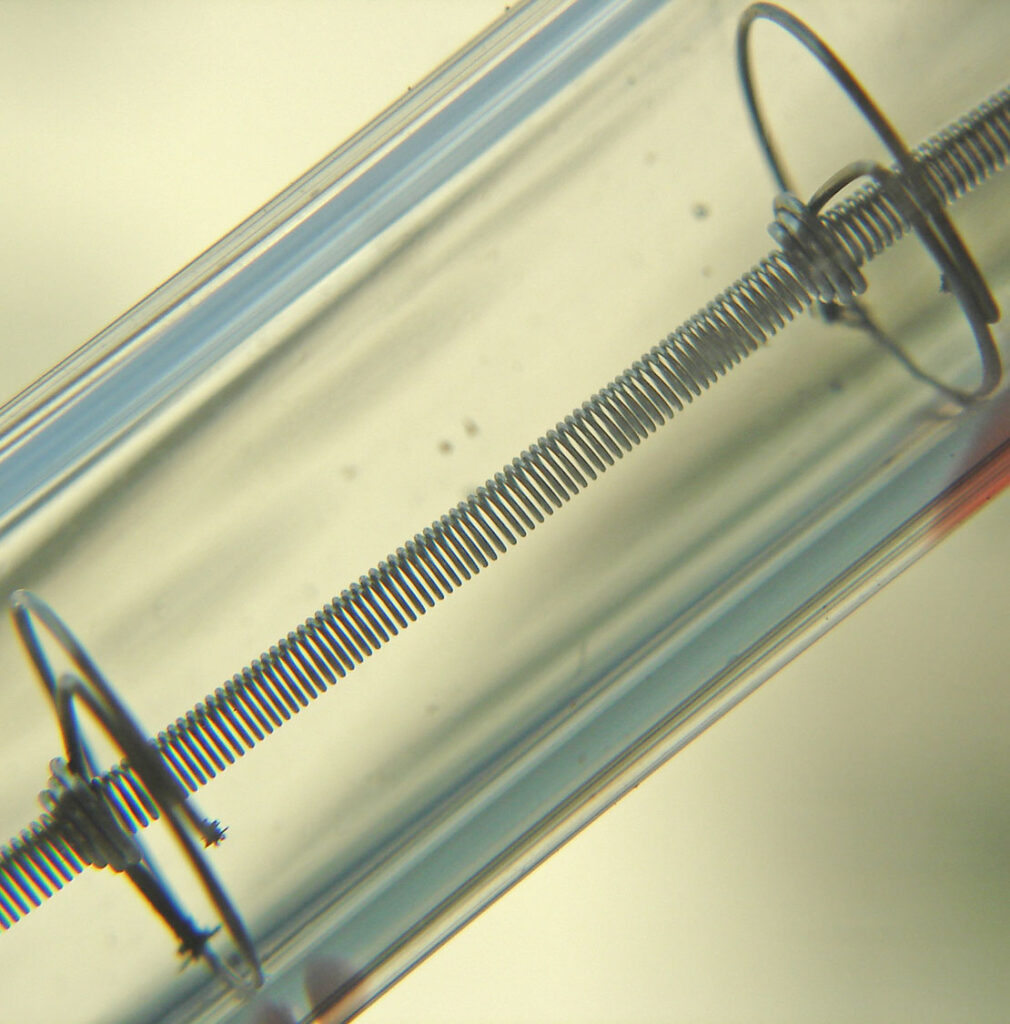
Tungsten lights use an incandescent filament enclosed in a glass bulb filled with inert gas. When electricity passes through the filament, it heats up and emits light.
The hot filament produces a continuous spectrum. That gives tungsten its familiar colour rendering, but does not determine softness or falloff: those depend on source size, optics, distance and modifiers.
The tradeoff is heat and power consumption.
Color Temperature of Tungsten Lights
Many cinema tungsten-halogen lamps are rated at 3200K at their specified voltage. Household incandescent bulbs and other lamp types can be warmer. Check the lamp rating rather than assuming every tungsten source matches.
When dimmed, tungsten lights shift even warmer in color. This color shift is often used creatively rather than corrected, especially for interior night scenes and motivated practical lighting.
Some LEDs offer tungsten-emulation modes that warm as they dim. Their spectrum and dimming response still depend on the particular fixture.
What Tungsten Lights Are Used For
Tungsten lights are commonly used for interior scenes, motivated practical lighting, theatrical setups, studio work, and any situation where consistent color and smooth dimming matter.
They are also frequently used as practicals within the frame, such as lamps, sconces, or fixtures visible on camera.
Tungsten vs LED Lighting
Tungsten lights produce heat-based light with a continuous spectrum and extremely natural color rendition.
LED lights produce light electronically with far greater efficiency and lower heat, but rely on spectral tuning to approximate tungsten color.
LEDs have replaced tungsten on many sets for practical reasons, but tungsten remains a reference standard for color quality.
Typical Types of Tungsten Fixtures
Common tungsten fixtures include open-face lights, Fresnels, softlights and practical bulbs. Use an external dimmer rated for the lamp’s load and supply; not every dimmer is suitable for every fixture.
Fixture size and weight vary, but heat and electrical demand remain important planning factors.
Pros and Cons of Tungsten Lights
Advantages include excellent color rendering, smooth dimming behavior, predictable output, and decades of established lighting techniques built around them.
Disadvantages include extreme heat, high power draw, fragile bulbs, frequent lamp replacements, and limited portability.
Plan the power supply and cooling time alongside the creative setup.
Common Beginner Mistakes
Common mistakes include underestimating heat output, placing tungsten lights too close to flammable materials, overloading household circuits, and ignoring the color shift when dimming.
Follow the fixture manual’s clearance distances. Keep ventilation clear, use heat-rated accessories, and disconnect power and allow the lamp to cool before maintenance. Never operate with damaged or missing protective glass.
When You Shouldn’t Use Tungsten Lights
Tungsten lights are not ideal for small rooms without ventilation, battery-powered setups, exterior daytime work, or energy-restricted locations.
An LED fixture may be more practical when low power draw, batteries or rapid changes are the priority. Compare the actual fixtures and the light you need.
Choosing the right light for the job
Tungsten remains useful when its warm dimming response, familiar beam control or existing fixture inventory suits the shot.
The decision is practical: weigh colour, output and modifiers against heat, power and setup time.
For the wider comparison, see tungsten vs LED lighting.
Browse equipment and keep learning
Browse tungsten fixtures · Compare all light types · Explore accessories and modifiers
Manufacturer references: Check the exact fixture and lamp manual for specifications and operating instructions.