
Last Updated 1 hour ago
Overview
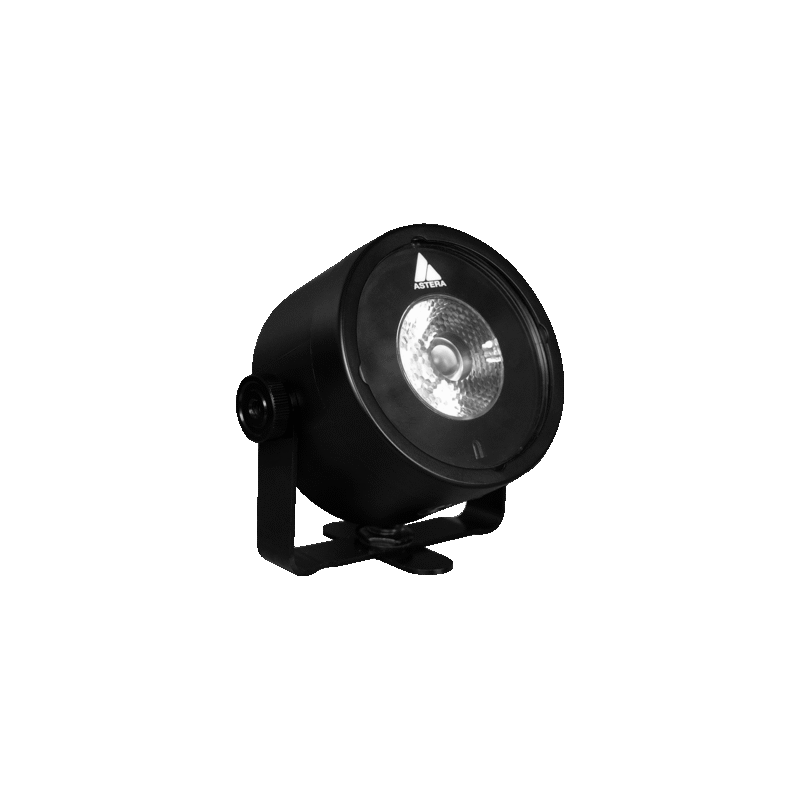
The Astera AX3 LightDrop is a compact battery-powered RGBW puck with a native 13° beam. Its magnetic base, small bracket and interchangeable beam filters make it useful for concealed accents, display lighting and short-distance uplighting.
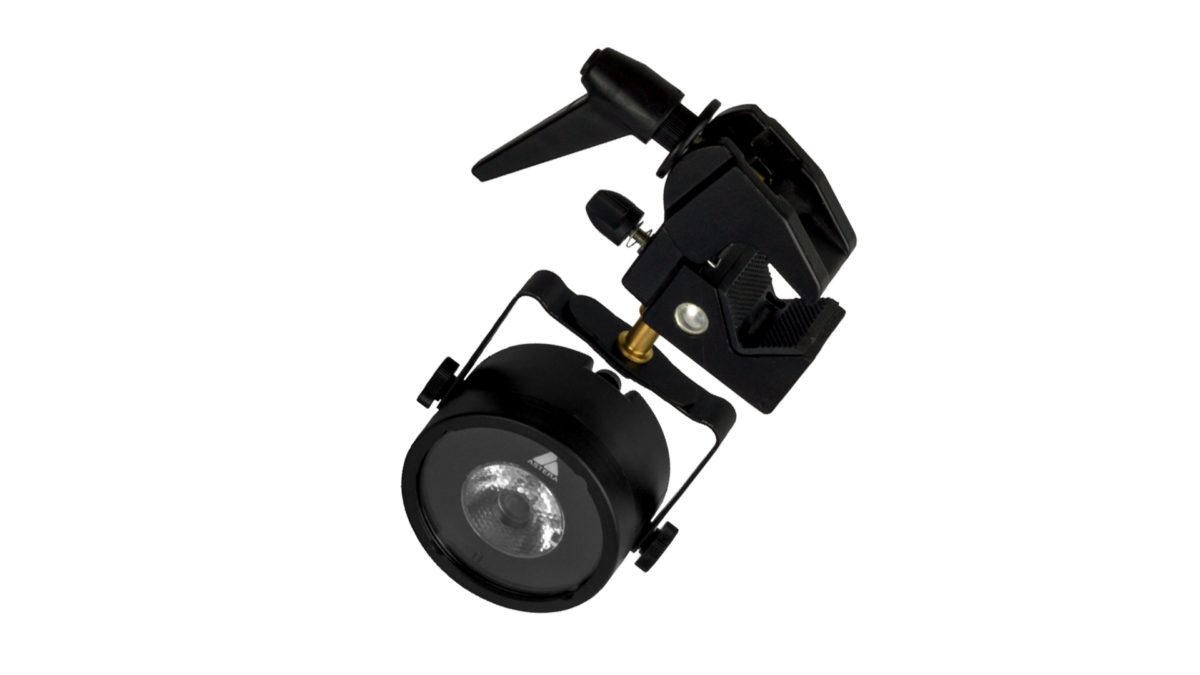
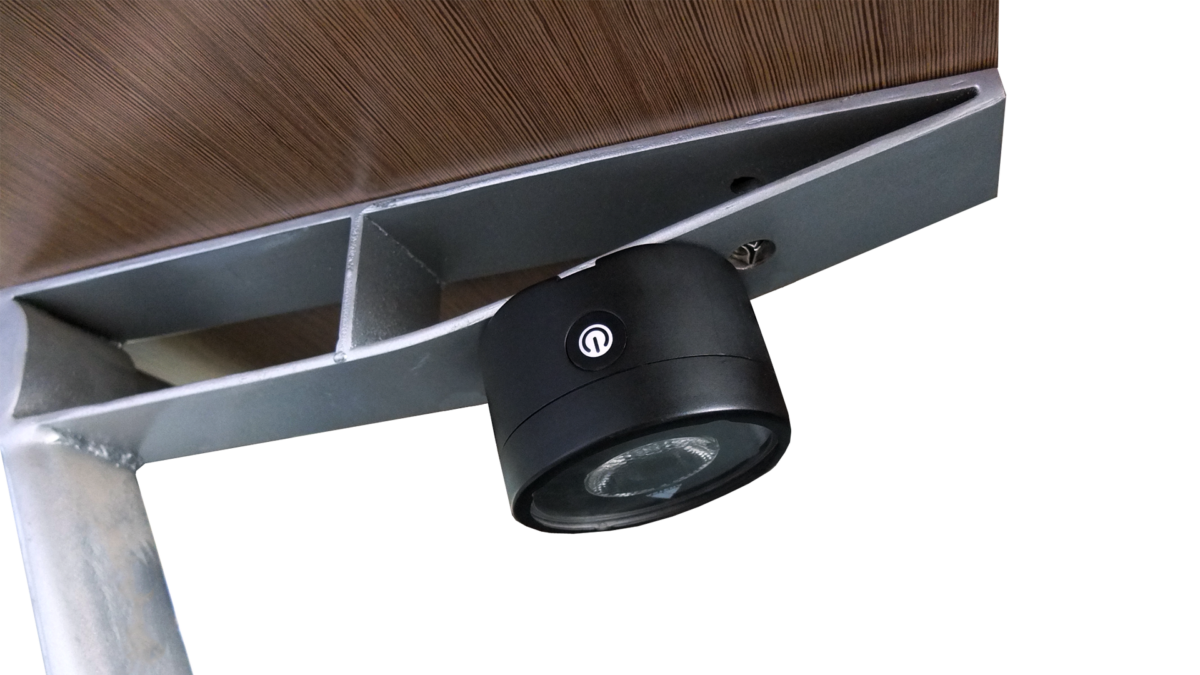
Images: Astera. Select an image to enlarge; swipe the gallery on smaller screens.
The original AX3-CRMX and later AX3-BTB use the older RGBW engine. BTB adds a built-in Bluetooth Bridge; it does not convert the fixture to the RGBMintAmber Titan engine found in PixelBrick and newer Astera lights.
Key specifications
| Specification | Details |
|---|---|
| Order Code | AX3-CRMX |
| LED Engine | RGBW |
| Colors | RGBW |
| LED emitter rating | 15 W; separate from complete supply consumption |
| Beam Angle | 13° |
| Field Angle | 22° |
| Pixels | 1 |
| Battery Runtime | up to 20 hours |
| Charging Time (nominal) | 7 hours |
| DC Input | 5 VDC – 2.5 A |
| Wired DMX | No |
| CRMX Receiver | Built-in |
| BluetoothBridge BTB | Built in on BTB revision; external supported bridge for original version |
| IP Rating | IP65 (only with Waterproof Protection Cover (AX3-SP)) |
| Ambient Operating Temperature | 0 – 40 °C / 32 – 104 °F |
| Weight | 0.68 kg / 1.4 lbs |
Strengths and limitations
Strengths
- A small 0.68kg housing fits positions that are awkward for a conventional PAR.
- A narrow native beam and wider filters let the same fixture serve several accent jobs.
- The magnetic base and bracket provide quick placement, with CRMX for remote adjustment.
Limitations
- Modest total output limits broad washes, larger bounce and use against strong daylight.
- Its RGBW white-light performance should not be assumed to match Titan-engine fixtures.
- The charge-socket cover is part of the specified IP65 configuration.
Practical uses
| Setup | Working approach |
|---|---|
| Set-dressing accent | Hide the puck behind a prop or architectural feature and aim the narrow beam. Check shadows and nearby reflective surfaces before increasing intensity. |
| Small uplight | Fit the appropriate 30° or 120° filter and judge coverage on the actual surface. Moving a small lamp farther from the wall may improve the pattern at the cost of intensity. |
| Metalwork position | Use the magnet only on a suitable secure surface, with an appropriate independent restraint where the position requires it. Check the finished orientation and heat clearance. |
Output and colour
The fixture has a nominal 15W RGBW emitter. Astera lists 430 lumens at 3,200K and 1,300 lux at 2m with the narrow native optics. A flood filter spreads that light over more area, reducing the concentration that produces the spot reading.
The current technical table lists CRI/TLCI as no greater than 88 over 3,200–6,500K. The AX3 is therefore a different white-light proposition from PixelBrick. Compare it through the production camera when it contributes to skin tones or colour-critical product work.
| Manufacturer reference | Published output |
|---|---|
| 3,200K, native 13° beam, 2m | 1,300 lux |
| 3,200K, luminous flux | 430 lm |
Power and batteries
Astera lists managed runtime up to 20 hours and a nominal seven-hour charge. Use the selected runtime setting and the real cue for a battery test; long managed runtimes reduce available brightness.
The dedicated charging input is 5V DC, 2.5A through a 5.5 × 2.5mm barrel connection. A matching-looking barrel plug does not establish a compatible supply. Inspect the charger and fit the correct AX3-SP cover when the sealed battery configuration is required.
Control and camera operation
CRMX, Astera UHF and infrared are supported. AX3-BTB includes Bluetooth Bridge, while the original revision needs an external supported bridge for app use. There is no wired DMX input.
Because the puck has no full local display, prepare its name, runtime and address before hiding it. Check the IR access or radio path from the final position. Test low-level fades and the selected PWM/frame-rate combination for photographed effects.
Modifiers, mounting and the working package
The bracketless body is approximately 95mm in diameter and 59mm deep. The floor bracket, magnetic base and threaded mounting points solve different jobs. Keep the actual bracket, bolts, feet and safety fittings with the unit.
The front filters must be properly seated and locked. The supplied-style 30° and 120° options change coverage; optional domes and wallwash accessories have separate uses. A magnet alone should not be treated as overhead retention.
Alternatives and related fixtures
| Fixture | When to compare it |
|---|---|
| Astera PixelBrick PB15 | A Titan-engine compact fixture with a different housing and assembly system. |
| Astera HydraPanel | A small battery panel with diffusion and beam-control options. |
| Astera QuikSpot | A larger zoomable spotlight when output and mechanical beam adjustment matter. |
What people are saying
Kettner Creative: accent light, not a main wash
Kettner finds the AX3 useful for small details and demonstrates the bracket, filters and clamping options. The reviewer also points out that its limited brightness makes it a poor choice as the main LED fixture for a larger space. Read the full account.
Videos
Kettner Creative: AX3 LightDrop review and demonstration
Rental and used-fixture checks
Confirm CRMX versus BTB revision and the required bridge. Count filters, floor stands, hooks, rubber feet and charge covers; small missing parts can prevent the intended placement.
Inspect the magnet, bracket threads, front filter slots and charging socket. Test each puck on battery and confirm that it can be controlled after it is positioned. Check colour matching across an older mixed-age package.
Documentation and specifications
Official product overview · Technical specifications · User manual · Data sheet · DMX profiles · All downloads
Browse Astera lights · all equipment.