
Last Updated 21 hours ago
Daylight Boxer 800W Overview
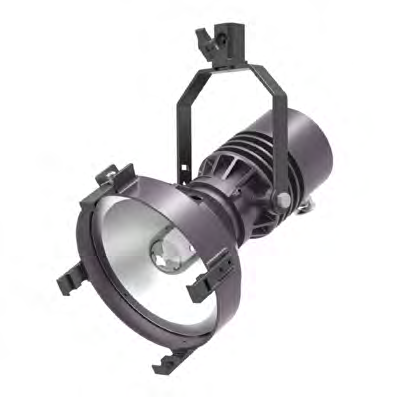

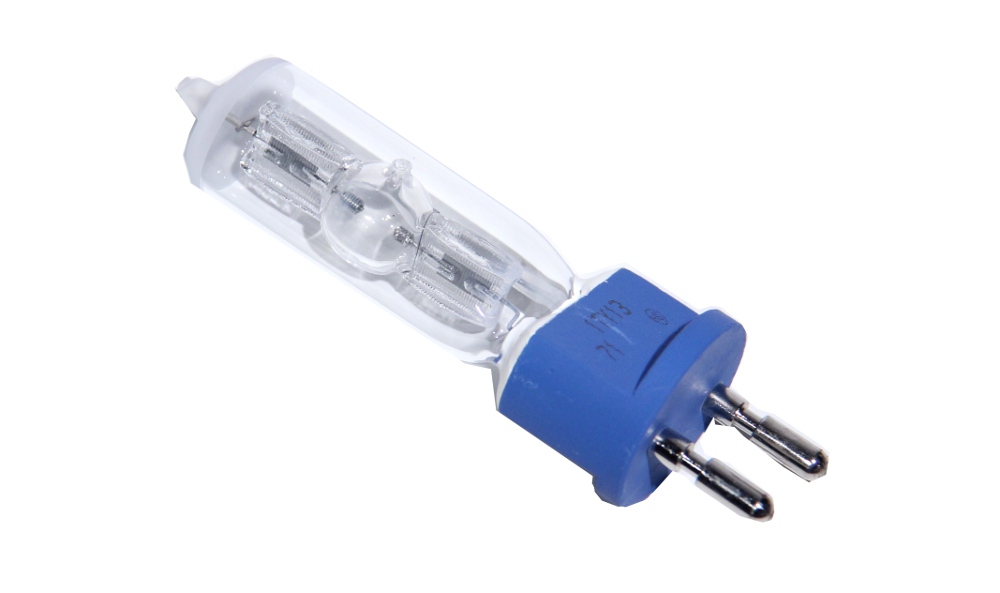
The FilmGear Daylight Boxer 800W (L00800BX) is a compact HMI PAR with interchangeable 175 mm optics. Its 2.5 kg head takes an 800 W single-ended G22 lamp.
This is the Boxer, not the larger 800 W PAR or the F800 faceted head. FilmGear rates the head IP20. Match the reflector, lenses, external ballast and head cable to the Boxer package; the 95 V lamp-circuit rating is not mains input.
- Daylight Boxer HMI Compact Boxer PAR head; Ø175 mm PAR lens; Ø16 mm / 5/8 in socket.
- 800 W lamp + external ballast G22. Use the matched ballast. 9.3 A / 95 V AC is the lamp-circuit rating, not mains.
- Colour Temperature5,600 K Nominal daylight lamp rating.
- Weight 2.5 kg lamphead; support also carries accessories and cable pull.
- Beam Angle Spot 8°; Medium flood 10° × 20°; Wide flood 20° × 45°; Super wide flood 40°; Frosted super flood 37°.
- IP RatingIP20 Lamphead; dry use, no rated water protection. Read the IP Rating.
Daylight Boxer 800W Specifications
| Specification | Details |
|---|---|
| Identity number | L00800BX |
| Capacity | 800 W |
| Lamp circuit | 9.3 A / 95 V AC lamp circuit |
| Optic | Ø175 mm PAR lens |
| Lamp | HMI 800W SE |
| Colour temperature | 5600 K |
| Lamp holder | G22 |
| Stirrup | Ø16 mm / 5/8 in socket |
| Class / IP rating | Class 1 / IP20 |
| Maximum surface temperature | 170 °C |
| Maximum ambient temperature | 45 °C |
| Minimum distance to illuminated object | 6 m |
| Minimum distance to flammable object | 0.5 m |
| Operating range | +45° to -45° |
| Lamphead weight | 2.5 kg |
The FilmGear identity number, lamp type, lamp voltage, optic, mount, IP rating, clearances and weights are preserved exactly from the manufacturer material. Lamp voltage is kept separate from ballast input voltage.
Output Calculator
Calculator range: 6–12 m (19.7–39.4 ft). The tool estimates only between published measurements. Stay at least 6 m from the illuminated object, or farther if the unit’s instructions require it.
Output Calculator
Select the published setup and a manufacturer distance, or enter a custom throw where supported. The results describe centre-beam output, not the brightness across the whole beam.
Camera Settings
If the calculator does not load, use the published photometric table or source on this page. JavaScript is required.
F-stop is a planning estimate, not a meter reading. It uses direct, on-axis illuminance and includes only the optics and diffusion named in the selected setup. Meter on set to account for lens transmission, filters, added diffusion, bounce, dimming and ambient light.
How the exposure estimate works
N = √(E × ISO × t / C), where E is illuminance in lux and t = shutter angle ÷ (360 × fps). The default C = 340 is a dome reference; C = 250 is a flat reference. These are calibration constants, not a measured T-stop. A small nonzero digit is tenths of a stop above the displayed full stop.
Distance estimates and comparisons
Published points are used as given. Between published points the calculator fits a curve through the two nearest readings. Outside those points it uses the inverse-square law only when the fixture’s dataset permits it. Distances outside a configuration’s supported range are reported separately. Comparisons use one shared distance and camera setup; equal lux does not imply equal coverage.
View published readings for the selected configuration
Strengths and Limitations
The five PAR optics provide several hard-light beam shapes from one 800 W head. The kit is still a protected-location HMI that needs its matched ballast, feeder and 6 m minimum throw.
Practical Uses
| Use | Working approach |
|---|---|
| Hard daylight punch | Use the spot optic for reach, then confirm beam diameter as well as centre level. |
| Beam shaping | Use the lens set to trade centre intensity for wider coverage. |
| Indoor window work | Keep the IP20 lamphead and ballast in a dry location; the lamphead has no rated water protection. |
A lamphead wattage is not an input-current specification. Ballast version, mains voltage, power factor and connector determine the supply load.
Published lens measurements apply to the hard configurations only. Use a separate reading for a lantern or softbox.
Output and Colour
FilmGear measured the centre of the beam for each configuration below.
| Configuration | 6 m | 9 m | 12 m |
|---|---|---|---|
| Spot 8° | 58,748 lux | 26,110 lux | 14,687 lux |
| Medium flood 10° × 20° | 8,838 lux | 3,928 lux | 2,209 lux |
| Wide flood 20° × 45° | 5,081 lux | 2,258 lux | 1,270 lux |
| Super wide flood 40° | 1,843 lux | 819 lux | 461 lux |
| Frosted super flood 37° | 1,089 lux | 484 lux | 272 lux |
Use these centre-beam readings only with the stated lamp, optic and test configuration. They do not describe an average across the beam.
Power and Batteries
FilmGear lists 800W/575W or 800W/575W AC/DC electronic ballast options. The head also requires the matching lamphead-to-ballast cable and lamp.
The lamp voltage belongs to the controlled lamp circuit. It is not the mains supply voltage. Use the matched FilmGear ballast, head cable and connectors, then size distribution from the ballast nameplate for the local supply.
Control, Cooling and Camera Operation
Choose coverage by swapping the listed 175 mm PAR optics with the head off and cool. The manufacturer specifies the V3 800/575 W electronic ballast or its AC/DC counterpart; do not assume the AC-only version accepts the DC Y-cable. Keep cooling paths clear and test the warmed-up head at the frame rate and shutter you’ll use. Original FilmGear 800 specifications.
Modifiers, Rigging and the Working Package
Use the published stirrup mount with a rated stand or clamp and a separate safety cable. Fit only the correct-diameter FilmGear lens, barndoor, scrim or filter accessories.
Keep the published minimum illuminated-object and flammable-object clearances. Inspect the safety glass or lens, yoke, lamp holder, interconnect and accessory retention before energising the head.
Alternatives and Related Fixtures
Choose a daylight Fresnel when continuous focus matters more than quick changes between hard PAR patterns. The FilmGear F800 Faceted PAR uses a different optical design; its beam figures do not apply to the Boxer. Use the Boxer’s own T-ring and modifier instructions for a softbox or lantern.
What People Are Saying
Practical takeaways from FilmGear’s exact model documentation, not independent operator reviews.
Strengths
- The 8° Spot optic gives a focused 26,110 lux at 9 m in FilmGear’s data, useful for a small hard accent.
- Four spread optics supplement the Spot. The Wide Flood’s 20° × 45° shape spreads light across a longer opening or bounce.
- The named AC/DC V3 ballast option and accessory list include a DC Y-cable, so a compatible kit can be set up away from mains.
Limitations
- The hard Spot table does not describe a lantern or softbox, even though FilmGear lists both. Meter the assembled soft setup.
- The IP20 head has no rated water protection. Use a dry location and observe FilmGear’s 6 m illuminated-object clearance.
- The 800/575 W ballast rating does not make the head dual-wattage. Confirm the L00800BX, 800 W SE G22 lamp and matching keyed feeder.
Videos
No model-specific operating video was verified. Use FilmGear’s Boxer 800 data sheet and modifier diagrams as a written reference, not footage.
Rental and Used-Fixture Checks
Confirm the identity number on the head, the exact lamp code and base, ballast model, mains input, head-cable connectors, optic set, barndoor and safety wire. Test cold start, warm-up stability, hot restrike and camera flicker behaviour before accepting the package.
Confirm head model L00800BX. Match it with HMI 800W SE, G22, actual ballast model/input and keyed head cable. Check 16 mm / 5/8 in socket, 175 mm PAR lens, safety glass, accessory retention, and then test stable output and flicker at your intended camera settings. Observe 6 m illuminated-object clearance and unit-specific manufacturer instructions.
Documentation and Specifications
FilmGear model documentation · FilmGear daylight family.
Browse FilmGear · HMI lights · all equipment.