
Last Updated 4 days ago
Overview
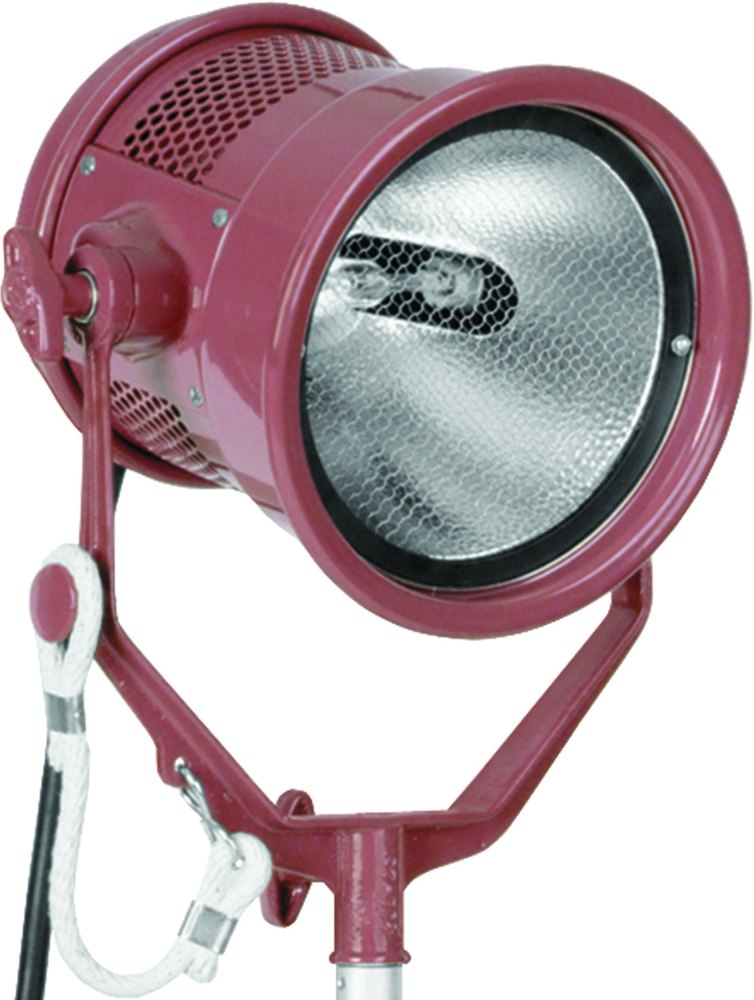
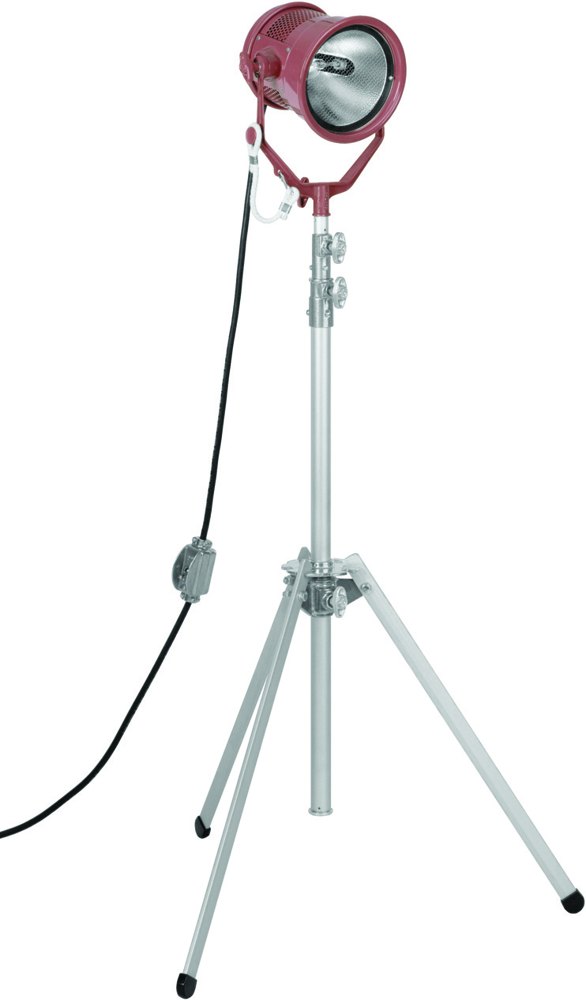
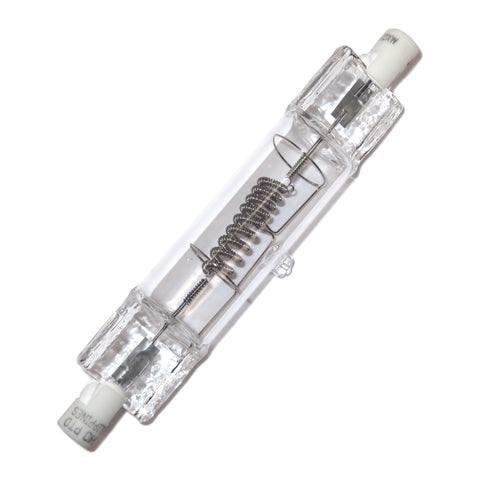
The Mickey-Mole is a compact 1 kW open-face light with a focusable reflector. It delivers strong light into a bounce or diffusion frame from a relatively small head.
- Colour Temperature3,200 K With DXW or FBY
- Weight6¾ lb / 3.06 kg Published fixture weight
- Beam AngleRear focus adjusts from spot to flood
- IP RatingNot documented IP rating guide.
- Power1,000 W at 120 V
- Fixture TypeOpen-face tungsten · Type 4081
Key Specifications
| Specification | Details |
|---|---|
| Manufacturer and model | Mole-Richardson 1,000W Mickey-Mole |
| Source or rated power | Type 4081, 1,000 W tungsten open face |
| Optics, colour or format | 1,000 W clear quartz lamp, 120 V test setup |
| Head or system detail | 5/8-inch stand receiver |
| Wire scrims | 7 3/16 in. Full single 4089S, full double 4089D |
| Accessory holder | 4085, required for the scrim, diffuser frame and barn doors |
| Lamp base | Recessed single contact, double-ended |
Replacement lamps
DXW is the clear lamp and FBY is frosted. Both draw the same nominal power. The output table below is for the clear 1 kW setup.
| Lamp code | Power | Voltage | Colour temp. | Ushio rated life |
|---|---|---|---|---|
| DXW | 1,000 W | 120 V | 3,200 K | 150 h |
| FBY | 1,000 W | 120 V | 3,200 K | 150 h |
Output Calculator
Select the published setup and a manufacturer distance, or enter a custom throw where supported. The results describe centre-beam output, not the brightness across the whole beam.
Camera Settings
If the calculator does not load, use the published photometric table or source on this page. JavaScript is required.
F-stop is a planning estimate, not a meter reading. It uses direct, on-axis illuminance and includes only the optics and diffusion named in the selected setup. Meter on set to account for lens transmission, filters, added diffusion, bounce, dimming and ambient light.
How the exposure estimate works
N = √(E × ISO × t / C), where E is illuminance in lux and t = shutter angle ÷ (360 × fps). The default C = 340 is a dome reference; C = 250 is a flat reference. These are calibration constants, not a measured T-stop. A small nonzero digit is tenths of a stop above the displayed full stop.
Distance estimates and comparisons
Published points are used as given. Between published points the calculator fits a curve through the two nearest readings. Outside those points it uses the inverse-square law only when the fixture’s dataset permits it. Distances outside a configuration’s supported range are reported separately. Comparisons use one shared distance and camera setup; equal lux does not imply equal coverage.
View published readings for the selected configuration
Strengths and Limitations
- A focusable open face puts plenty of light into a small bounce.
- Direct light can make harsh shadows and show a pronounced centre.
Practical Uses
Aim the reflector to put the hot centre where the frame needs it. For a face, bounce or diffuse the source if the direct open-face shadow is too harsh.
Output and Colour
The manufacturer reports centre intensity in foot-candles at marked distances in feet. The table expresses the same locations in metres and includes the corresponding lux.
| Configuration | Distance | Lux | Foot-candles |
|---|---|---|---|
| Clear 1,000 W · 120 V · flood | 1.2192 m | 10,764 | 1,000 |
| Clear 1,000 W · 120 V · flood | 1.8288 m | 4,844 | 450 |
| Clear 1,000 W · 120 V · flood | 2.4384 m | 2,691 | 250 |
| Clear 1,000 W · 120 V · flood | 3.048 m | 1,722 | 160 |
| Clear 1,000 W · 120 V · spot | 1.2192 m | 78,899 | 7,330 |
| Clear 1,000 W · 120 V · spot | 1.8288 m | 36,059 | 3,350 |
| Clear 1,000 W · 120 V · spot | 2.4384 m | 20,451 | 1,900 |
| Clear 1,000 W · 120 V · spot | 3.048 m | 13,132 | 1,220 |
Photometric source and test conditions.
Power and Batteries
The 1 kW 120 V configuration draws about 8.3 A. The fixture uses a through-cord switch and rear focusing mechanism.
Control, Cooling and Camera Operation
Set the reflector with the rear spot/flood focus. The through-cord switch switches the lamp on or off; dimming requires a separately rated tungsten dimmer and will lower the colour temperature. Keep the hot fixture clear of fabric and let the lamp and housing cool before handling.
Modifiers, Rigging and the Working Package
The open-face reflector gives a strong centre. A frame, bounce or diffusion can soften it. Inspect the protective screen and its retainers.
Alternatives and Related Fixtures
For another compact tungsten open face, see ARRI ARRILITE 750 Plus.
What People Are Saying
The production examples below show two different jobs for the Mickey-Mole. The operating points here come from Mole’s Type 4081 data sheet and its kit documentation.
Field Feedback at a Glance
What worked
- A tight patch from a compact open face. In the 120 V clear-globe test at 10 ft (3.05 m), spot gives 1,220 fc across roughly 3 × 2.9 ft. Flood spreads the patch to 8.8 × 12.5 ft.
- Standard Baby mounting. The head and captive cable weigh 6¾ lb, and the yoke fits a ⅝-inch stand or hanger spud. That is a straightforward starting point for a small bounce rig.
- Output and spill can be trimmed separately. With the Type 4085 holder, Mole’s half scrims reduce part of the field and the full scrims reduce the whole field without electrically dimming the lamp.
Drawbacks to plan for
- Direct light remains hard. The open face does not have the larger apparent source of a diffusion frame or bounce. Allow for the loss and re-meter after adding either.
- The accessory holder is a separate fit check. Do not assume a bare used head includes the 4085 or that a similarly sized ring will retain the specified 7³⁄₁₆-inch accessories.
- The head voltage range does not make the test globe universal. Mole rates the head for 120/240 V, but the clear DXW example is 120 V. Check the head plate, lamp and fitted plug together; the factory chart does not establish output for a 240 V package.
Mole’s Type 4081 lamp, accessory and photometric sheet.
A period press scene in The Front Runner: Dan Riffel’s lighting crew used Mickey-Mole 1K and Mighty-Mole 2K floodlights alongside period camera lights and Molefays. A separate bounce frame from across the street added ambience; an ARRI M90 setup added cooler backlight. American Cinematographer, December 2018.
A separate light in a three-head fire effect: Blain Brown documents a Mickey-Mole, 2K Mighty-Mole and Baby-Baby on a triple header feeding a three-channel flicker box. Each head could vary separately rather than pulsing the entire effect together. Blain Brown, Motion Picture and Video Lighting.
Videos
Illustrated setup: Type 4081 manufacturer setup illustration. Mole shows the Mickey-Mole on the Type 2541 Baby stand with the safety screen fitted. Page 2 identifies the 4085 accessory holder required to fit the listed doors, frames or scrims.
Rental and Used-Fixture Checks
Check the safety screen, focus screw and reflector finish. Match the voltage and lamp code to the head and to the photometric chart.
Documentation and Specifications
- Mole-Richardson Type 4081 data sheet and performance tables
- Mole-Richardson Type 4081 equipment listing
- Ushio lamp catalogue and rated life