
Last Updated 1 hour ago
Overview
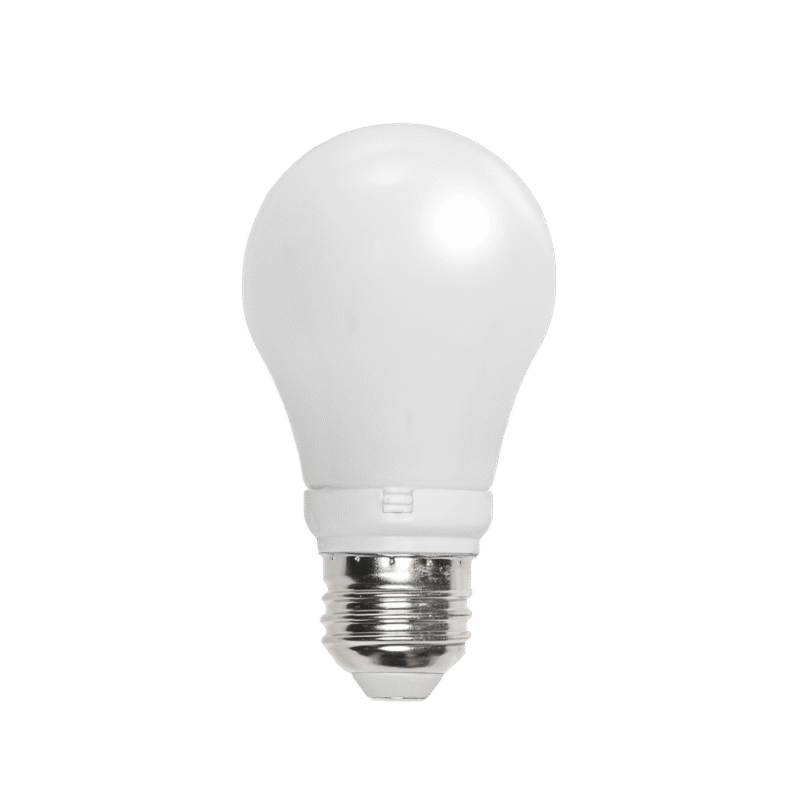
The Astera LunaBulb is a compact RGBMintAmber practical bulb designed to resemble a traditional frosted lamp. Its removable LunaDome changes it from a familiar round bulb into a slimmer visible source, while CRMX and Bluetooth Bridge provide remote colour and intensity control.
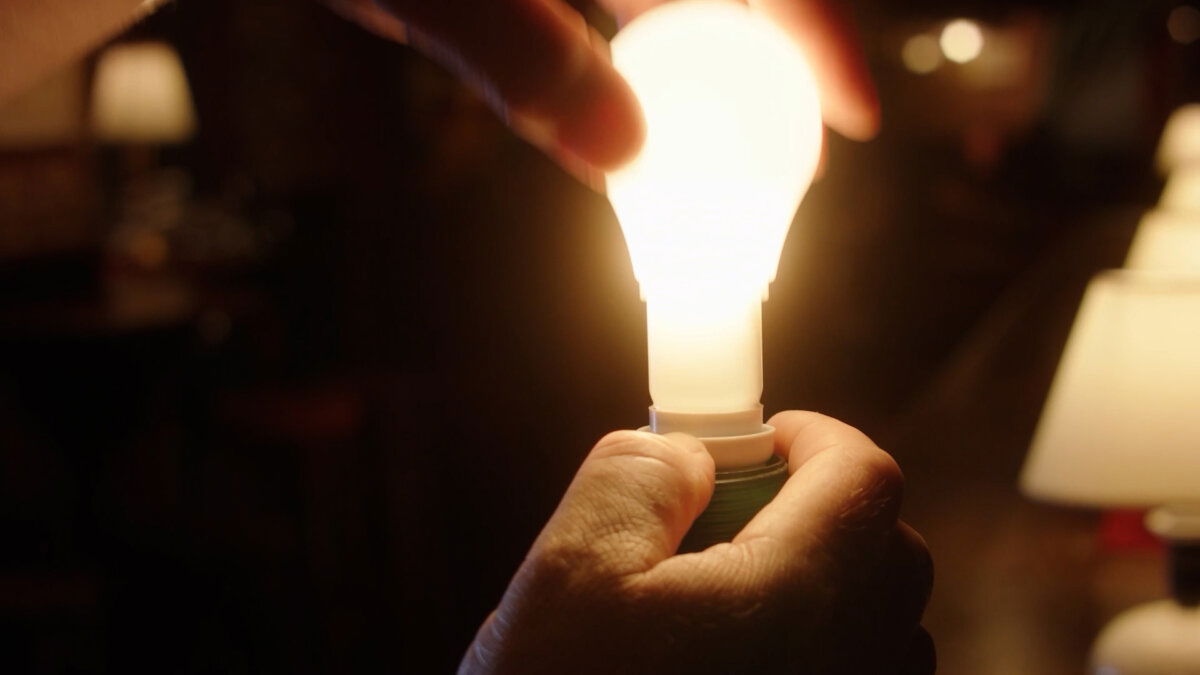
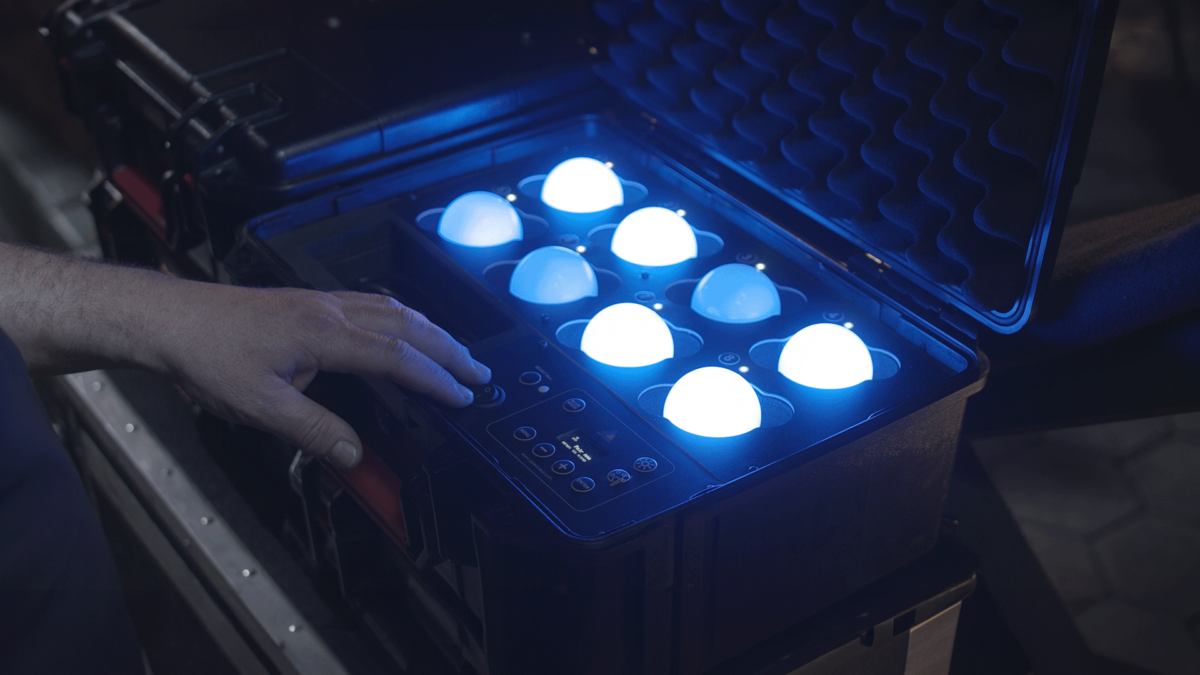
Images: Astera. Select an image to enlarge; swipe the gallery on smaller screens.
LunaBulb is an AC-powered practical, not a self-contained battery lamp. At 3.3W LED draw it is intended for visible bulbs, decorative strings and nearby ambient accents rather than replacing a substantial key. The optional battery-powered PrepCase powers and configures bulbs while they are seated in the case.
Key specifications
| Specification | Details |
|---|---|
| Order Code | FP7-E26 FP7-E27 FP7-B22 |
| LED Engine | Titan LED Engine |
| Colors | RGBMintAmber |
| LED Power Draw | 3.3 W |
| Pixels | 1 |
| AC Input | FP7-E26: 100-120 VAC FP7-E27: 100-240 VAC FP7-B22: 100-240 VAC |
| AC Connector | E26 / E27 / B22 |
| Power Consumption (max.) | 4.25 W |
| Wired DMX | N/A |
| CRMX Receiver | Built-in |
| Bluetooth Bridge BTB | Built-in |
| IP Rating | IP44 – Depending on socket used |
| Ambient Operating Temperature | 0 – 40°C / 32 – 104 °F |
| Weight | 0.081 kg / 0.179 lbs |
Strengths and limitations
Strengths
- The small traditional silhouette is easier to hide inside many practical housings than a larger cinema bulb.
- A removable dome and dedicated accessories provide several visible shapes and spill-control options.
- CRMX, infrared and AsteraApp support remote practical changes without accessing each socket.
Limitations
- The E26 version accepts 100–120V, while E27 and B22 versions accept 100–240V.
- It has no onboard battery or external DC input for use as a loose bulb.
- Output is modest: the published dome-on figure is 160 lumens at 5,500K.
Practical uses
| Setup | Working approach |
|---|---|
| In-frame table lamp | Set the bulb through the camera so the shade or dome retains the intended detail. Add a separate motivated source if the actor needs more illumination. |
| Decorative string or cluster | Match the socket type and power system, then map bulbs only if the cue actually needs separate control. Check every socket’s weather protection for an exterior. |
| Practical near a face | Use the appropriate LunaShade or reflector accessory to direct or soften its contribution without changing the appearance of every other practical. |
Output and colour
Astera lists 149 lumens at 3,200K, 154 lumens at 4,000K and 160 lumens at 5,500K with the dome fitted. The corresponding 1m readings are only 18.3–19.6 lux. These figures explain why the bulb works well as a controllable visible practical but needs close placement to contribute substantial exposure.
The dome-on beam is listed as 240°. Removing the dome or adding LunaReflector changes the distribution, so use the figures for the fitted configuration. The Titan engine allows independent colour and intensity changes; ordinary dimming does not automatically reproduce the warming of a tungsten filament.
| Manufacturer reference | Published output |
|---|---|
| 3,200K, dome fitted, 1m | 18.3 lux / 149 lm |
| 4,000K, dome fitted, 1m | 18.8 lux / 154 lm |
| 5,500K, dome fitted, 1m | 19.6 lux / 160 lm |
Power and batteries
Maximum consumption is 4.25W. The E26 model is marked 100–120V; do not substitute it on a 230V supply. E27 and B22 are the universal-voltage versions listed by Astera. Match the actual bulb, socket and supply rather than relying on a mechanical adapter.
The PrepCase and PrepInlay are preparation accessories with their own battery. Astera’s approximate one-hour reference describes eight bulbs at 4,000K and maximum brightness while powered in the PrepCase. It does not give each removed bulb one hour of battery life.
Keep the practical on a suitable constant supply and dim through the fixture’s supported controls unless the exact external dimmer arrangement has been approved in the documentation.
Control and camera operation
LunaBulb receives CRMX and supports wireless RDM. Each bulb has Bluetooth Bridge, with AsteraApp and the supported IR remote providing setup paths. PrepCase can assign the same or consecutive addresses to bulbs before they leave the case.
Name bulbs or groups by practical location and save their startup look. Test fades at the lowest intended level, especially when the dome is photographed directly. Check camera flicker using the production frame rate, shutter and dimming settings.
Modifiers, mounting and the working package
LunaDome removes for the slim configuration. LunaReflector, LunaLens, LunaDiffusor, LunaSnoot and the LunaShade accessories serve different distribution and shielding purposes; check the required combination rather than assuming each attaches directly to the bare bulb.
The bulb weighs approximately 81g and is about 55mm across with the dome fitted. IP44 depends on the socket and assembled arrangement. The rating does not establish protection for an ordinary indoor table lamp, an exposed festoon socket or a submerged bulb.
Alternatives and related fixtures
| Fixture | When to compare it |
|---|---|
| Astera NYX Bulb | A larger, brighter practical with a different power and accessory arrangement. |
| Astera SolaBulb | A directional zoomable bulb for downlights and controlled pools. |
| Astera HydraPanel | A small battery panel when the fixture can remain out of frame. |
What people are saying
Astera-published filmmaker demonstrations
Astera hosts practical-lighting demonstrations and commentary from filmmakers including David Smith and James Friend. The examples show how visible bulbs and light-shaping accessories can work together; they are manufacturer-presented material. Read the full account.
Videos
Astera: LunaBulb product walkthrough
Astera: LunaBulb introduction
Rental and used-fixture checks
Count and identify the socket variants, domes and accessory pieces before prep. Check that each bulb can be powered and paired and that every PrepCase position works. Inspect bulb bases and plastic parts for damage from repeated socket changes.
Test the actual practical housing. A bulb that fits the socket may still foul a shade support or place its brightest portion in the wrong position. Confirm the final look after a complete power cycle.
Documentation and specifications
Official product overview · Technical specifications · User manual · Data sheet · DMX profiles · All downloads
Browse Astera lights · all equipment.