
Last Updated 2 days ago
Pocket PAR 400 Overview
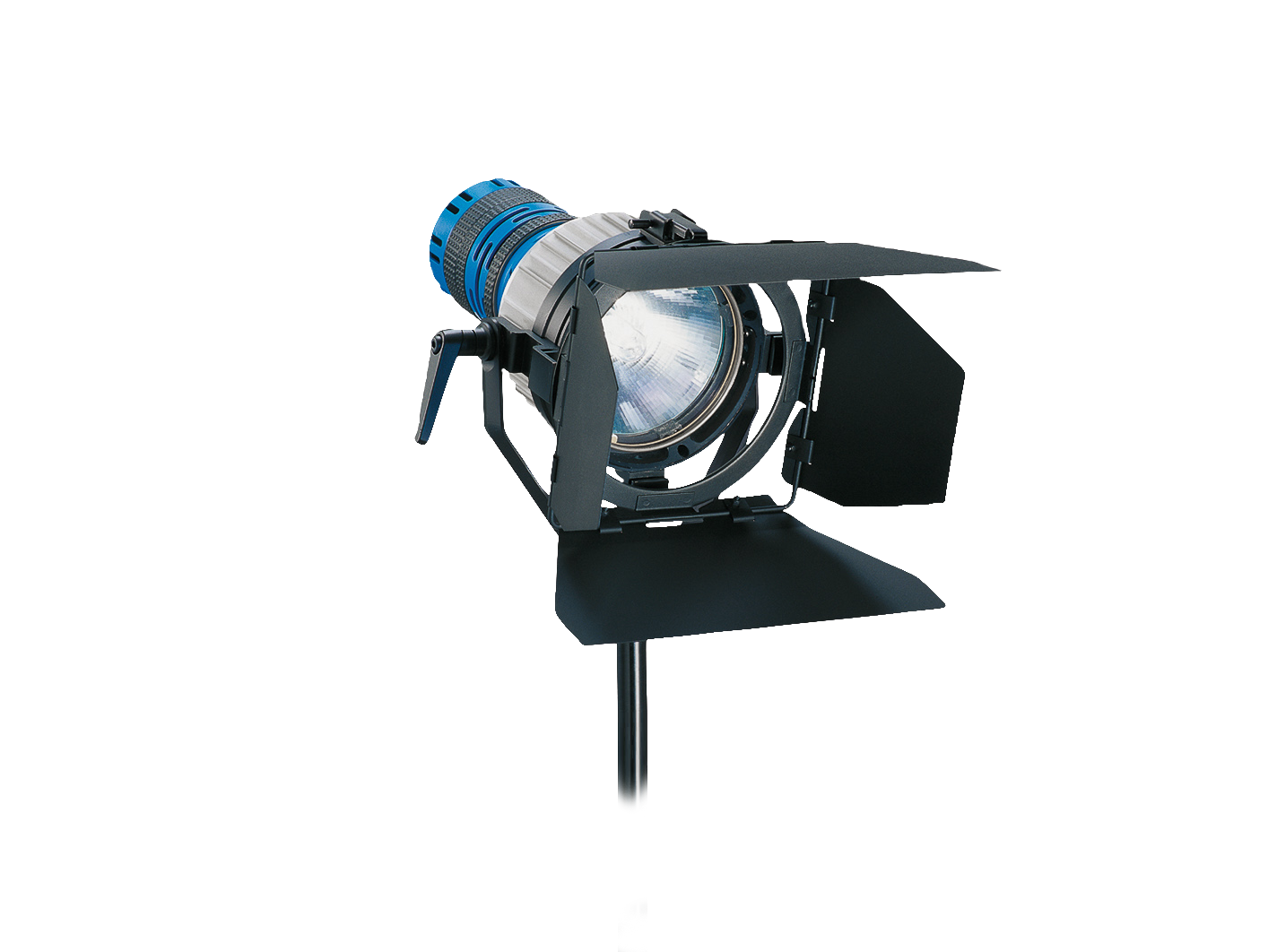
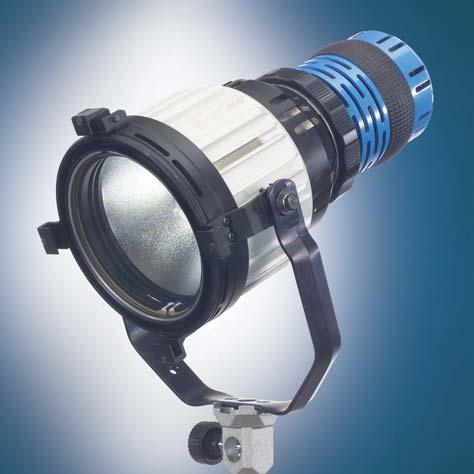
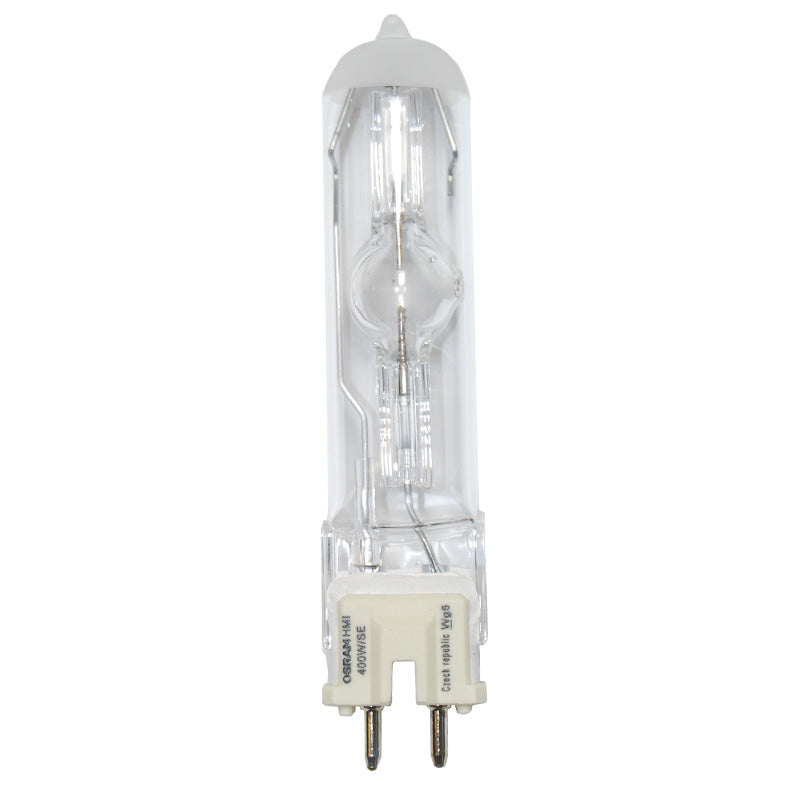
The Pocket PAR 400 pairs a small single-ended HMI head with a lens set that includes an oval spread. It suits confined setups where a 400 W daylight source must still reach beyond a close-up.
The Pocket PAR head is one arrangement in the ARRILUX 400 system. Book the PAR reflector and exact lens kit; the PocketLite and Lighthouse configure the beam differently.
- Type Compact HMI PAR
- Power 400 W GZZ9.5 lamp; separate ballast
- Colour Temperature Daylight HMI; depends on installed lamp and operating condition.
- Weight 2.4 kg PAR head, without ballast or accessories, per operating manual
- Beam Control Five-lens kit; 5°–70° with listed optics at maximum focus
- IP Rating IP20 or IP23 depending on configuration; read the actual rating label. Read the IP rating guide.
Pocket PAR 400 Specifications
| Specification | Details |
|---|---|
| Manufacturer and model | ARRI ARRILUX Pocket PAR 400 |
| Source or rated power | 400 W HMI Pocket PAR |
| Optics, colour or format | Five-lens PAR kit |
| Head or system detail | 5/8-inch stand mount |
| Lamp base and rating | GZZ9.5, 400 W single-ended HMI |
| Wire scrim diameter | 168 mm, full single L2.79460.A |
| Four-leaf barn doors | L2.79470.0 |
Output Calculator
Select the published setup and a manufacturer distance, or enter a custom throw where supported. The results describe centre-beam output, not the brightness across the whole beam.
Camera Settings
If the calculator does not load, use the published photometric table or source on this page. JavaScript is required.
F-stop is a planning estimate, not a meter reading. It uses direct, on-axis illuminance and includes only the optics and diffusion named in the selected setup. Meter on set to account for lens transmission, filters, added diffusion, bounce, dimming and ambient light.
How the exposure estimate works
N = √(E × ISO × t / C), where E is illuminance in lux and t = shutter angle ÷ (360 × fps). The default C = 340 is a dome reference; C = 250 is a flat reference. These are calibration constants, not a measured T-stop. A small nonzero digit is tenths of a stop above the displayed full stop.
Distance estimates and comparisons
Published points are used as given. Between published points the calculator fits a curve through the two nearest readings. Outside those points it uses the inverse-square law only when the fixture’s dataset permits it. Distances outside a configuration’s supported range are reported separately. Comparisons use one shared distance and camera setup; equal lux does not imply equal coverage.
View published readings for the selected configuration
Strengths and Limitations
- The 400 W lamp and interchangeable reflector optics combine reach with a small head.
- Ordering the wrong reflector version changes the available beam and the value of the output chart.
Practical Uses
The medium and wide lenses give different horizontal and vertical coverage. Turn the oval to follow a counter or doorway, then trim spill with the doors.
Output and Colour
| PAR Optic / Focus | 10 ft | 15 ft | 20 ft | 25 ft |
|---|---|---|---|---|
| Super Spot 5° | 11,500 | 5,111 | 2,875 | 1,840 |
| Spot 8° | 6,150 | 2,733 | 1,538 | 98 (disputed) |
| Spot — Max Focus 17° | 1,675 | 744 | 419 | 268 |
| Medium 10° × 21° | 2,375 | 1,056 | 594 | 380 |
| Medium — Max Focus 21° × 27° | 913 | 406 | 228 | 146 |
| Wide 17° × 35° | 938 | 417 | 234 | 150 |
| Wide — Max Focus 42° × 55° | 300 | 133 | 75 | 48 |
| Super Wide 33° | 550 | 244 | 138 | 88 |
| Super Wide — Max Focus 60° | 200 | 89 | 50 | 32 |
| Frosted Super Wide 30° | 375 | 167 | 94 | 60 |
| Frosted Super Wide — Max Focus 70° | 113 | 50 | 28 | 18 |
Photometric source and test conditions.
The calculator now includes every listed Pocket PAR focus configuration and is limited to the original 10–25 ft distances (3.048–7.62 m). Values between published points are estimates, not extra factory measurements. The brochure’s rounded metric headings are not used as exact distance conversions. Its Spot 8° row prints 98 fc at 25 ft, inconsistent with its own 615,000 ÷ distance² formula and preceding readings. That disputed point remains visible in the table but is excluded from calculation; Spot 8° is limited to 10–20 ft. No corrected measurement is invented.
ARRI’s ARRILUX 400 manual specifies 3 m minimum to illuminated areas and 0.5 m from other parts to flammable objects. The 10 ft calculator minimum is not permission to disregard the applicable manual or exact-unit requirements.
Power and Batteries
The 400 W US kit pairs the 400/575 W AC ballast (504806) with a 25 ft head cable (504502). The battery option is the 200/400 W DC ballast (504808). The international VEAM cable is L2.70857.0 at 7 m.
Control, Cooling and Camera Operation
Check the head marking and the accessory configuration. The PAR uses matched spread lenses; the Lite variant is a different optical package, so verify the actual head before using the calculator.
Modifiers, Rigging and the Working Package
The five-lens set and optional lantern hardware are specific to the 400 system. Leave clearance for the glass and doors to rotate.
Alternatives and Related Fixtures
For a 400 W head with interchangeable Joker optics, see K5600 Joker-Bug 400 (Original).
What People Are Saying
The model-specific points below come from ARRI’s documents, with handling or rental examples identified separately. They are not a survey of owner reviews.
In a published high-speed imaging experiment, the researchers report lighting the test area with three ARRI Pocket PAR 400 heads and recording at 50,000 frames per second. The study’s equipment description does not specify the ballast settings or establish a flicker-free rating for another setup.
Field Feedback at a Glance
What worked
- Five PAR lenses for a wider range of jobs. The 400 W Pocket PAR kit lists five lenses. Select the fitting that covers the shot rather than carrying the bare-head beam into every estimate. ARRI Pocket PAR 400 documentation.
- A compact stand-mounted daylight boost. The 400 W PAR configuration uses a ⅝ in. stand interface and remains compact enough to place close to a window. PhotoCineRent identifies the exact 400 W head and a spare lamp in its rental package. View exact-model reference.
- Independent choices for spill and level. The 168 mm front accepts matching doors and scrims so a crew can shape the field or reduce exposure without changing PAR lenses. ARRI Pocket PAR 400 documentation.
Drawbacks to plan for
- Use the 400 W power kit. ARRI’s 70 V/6.9 A head rating does not describe wall draw. The smaller 125/200 W ballasts are not the 400 W power option. ARRI range certificate.
- Check the globe and head variant. Use the listed 400 W GZZ9.5 lamp and confirm the Pocket PAR head. Pocket Lite reflector photometry is a different configuration. ARRI Pocket PAR 400 documentation.
- IP23 is not all-weather protection. ARRI’s certificate lists IP23 for the identified 400 W Pocket PAR lampheads; that is not a rating for the complete ballast and connector package. ARRI range certificate.
Videos
The ARRI ARRILUX 400 operating manual identifies the Pocket PAR’s faceted front, its five-lens set and compatible ballasts. Use its Pocket PAR section, not the sections on the Pocket Lite reflector or Lighthouse front.
Rental and Used-Fixture Checks
Ask for the 400 W lamp and the correct AC or DC ballast. The Pocket Lite reflector has separate photometrics.